
 My Agento


Home insurance - what it covers and how to choose the right solution
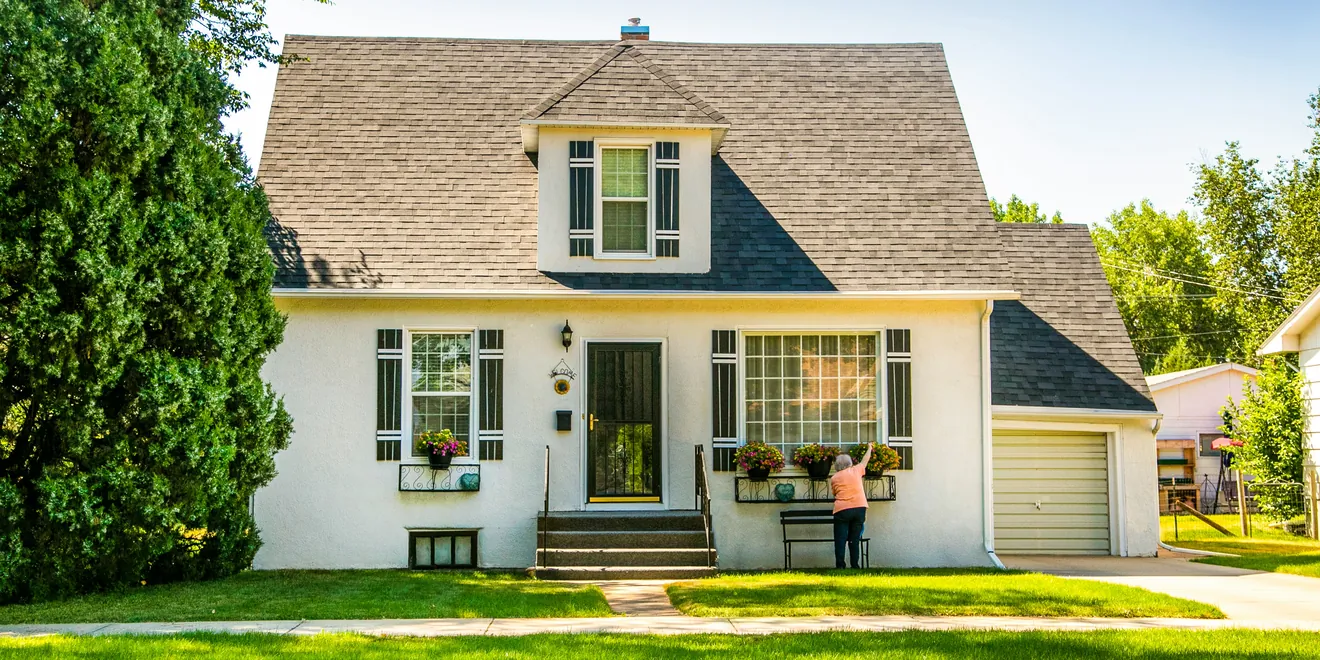
A home is one of the most valuable assets a person acquires during their lifetime. Whether it is an apartment or a private house, it represents a significant financial investment as well as emotional value.
However, even the safest home is not protected from unexpected risks such as fire, water damage, natural disasters, or theft. In such situations, home insurance becomes an essential safety tool.
Many homeowners choose insurance only when it is required, for example, in the case of a mortgage. In reality, insurance is an effective way to protect yourself from significant financial losses.
To better understand available solutions, it is recommended to explore home insurance, which provides protection against various everyday risks.
What risks are covered by home insurance
Home insurance typically covers several types of risks that can cause significant damage. One of the most common is fire, which can completely destroy a property or cause severe damage.
Another frequent risk is water damage. Broken pipes or household appliance failures can lead to substantial losses not only to your property but also to neighboring apartments.
Natural disasters such as storms, heavy rain, or snow can also damage building structures and roofs, often resulting in costly repairs.
Theft and vandalism are additional significant risks, especially if the property is located in a less populated area or left unattended for extended periods.
In some cases, it is also possible to insure movable property such as furniture, appliances, and other valuable belongings.
If the property is rented out or used by others, it is worth considering additional protection such as apartment insurance, which may be more suitable in specific situations.
How to choose the right insurance coverage
When choosing home insurance, it is important to evaluate the value of the property and potential risks. Insufficient coverage may result in compensation that does not fully cover the losses.
One of the most important aspects is the insured sum. It should reflect the cost of rebuilding the property, not just its market value.
You should also consider the deductible - the amount the owner pays out of pocket. A higher deductible can reduce the insurance premium but increases financial responsibility in case of a claim.
Special attention should be paid to exclusions. Not all risks are automatically included in standard coverage, so it is important to carefully review the policy terms.
For additional security, you may also consider accident insurance, which provides protection for the residents themselves.
Regularly reviewing your insurance policy is essential, as the value of the property and living conditions may change over time.
In the long term, properly selected insurance helps maintain financial stability and provides peace of mind.
Home insurance is not just a formality - it is practical protection against situations that cannot be fully controlled.
A responsible approach to insurance means evaluating risks in advance and choosing the most suitable solution.