
 My Agento


Spring floods and property risks: how to prepare in advance and reduce damage
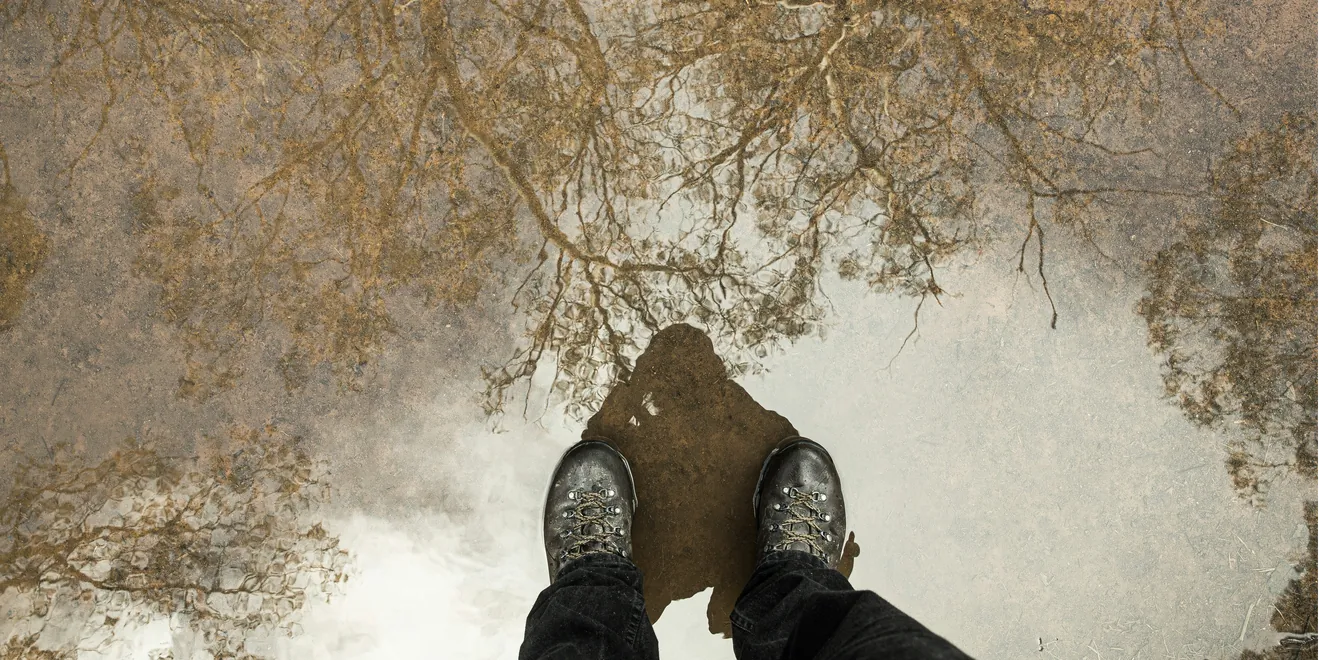
Abundant snow cover, its rapid melting, and ice on rivers this year significantly increase the risk of spring flooding. In such conditions, flooding is possible in areas where rivers may overflow their banks, rainwater and meltwater accumulate, or drainage systems are affected. Timely preparation can substantially reduce both financial losses and threats to people's safety. At the same time, data from recent years clearly shows that damage from natural disasters is increasing, and climate change is no longer an abstract future risk but an everyday reality.
"Weather-related losses have become increasingly frequent in recent years, which is why insurers prepare for such situations in advance. Equally important are the actions of residents themselves - monitoring information and warnings from responsible state institutions, timely property preparation, reviewing insurance coverage, and documenting losses. This will significantly reduce both risks and the time for compensation payments. The faster the client acts and contacts their insurer, the smoother the loss assessment and compensation process," emphasizes Jānis Abāšins, head of the Latvian Insurers Association.
Climate change increases insurance losses
Data compiled by insurers indicates that the number of insurance cases related to climate events has an increasing trend. Losses are most commonly associated with floods and floodwaters, heavy precipitation and storms, and rapid temperature fluctuations. In years with extreme weather conditions, the number of insurance cases increases manifold. For example, 2021 was relatively calm, with less than 4 million euros paid for natural disaster damage, while the storm of August 7, 2023 alone cost nearly 17 million euros, and the late July 2024 storm - 25 million euros. Homes, vehicles, and crops all suffer. This means that residents and businesses must adapt to the new reality.
What can residents and businesses do preventively?
The Latvian Insurers Association notes - to reduce potential flood damage, both area maintenance and property safety checks are essential.
Area and infrastructure maintenance
- Clear culverts, drains, and ditches so water can flow freely.
- Check beaver dams, especially on rural farms, as they can rapidly raise water levels.
- Inspect sluice and gate mechanisms, ensuring they are operational.
- Reinforce walkways and small bridges, or temporarily disassemble them if necessary.
- Strengthen dams and embankments in areas where erosion has been previously observed.
Building and property safety
- Secure lightweight structures - sheds, greenhouses, outdoor toilets.
- Elevate belongings and equipment, especially in basements and ground floors.
- Prepare sandbags for protecting doors, windows, and basements.
Financial safety
- Check whether the insurance policy covers flood and floodwater damage, whether household contents are included in the property insurance, and for what amount.
- Ensure that the insured amount corresponds to the property's replacement value.
What to do if water levels rise rapidly?
In high-risk conditions, it is important to follow official warnings, disconnect electrical devices, avoid crossing flooded roads, and primarily ensure the safety of people and animals. Saving property must not endanger lives.
What to do after flooding?
After flooding, it is essential to document the damage, promptly file an insurance claim, and avoid carrying out significant repairs without consulting the insurer, unless required for safety reasons.
Preparation pays off
Flooding is a natural risk that cannot be prevented, but preparation can substantially reduce losses. Insurance data shows - the most expensive consequences are often the tasks left undone or postponed. In the context of climate change, timely action becomes a vital safety element for both households and businesses.
To help residents prepare for potential floods and their consequences, the Latvian Insurers Association has prepared an infographic available at LAA - Guide.