
 My Agento


Electric Car Insurance in Latvia: A Practical Guide for EV Owners
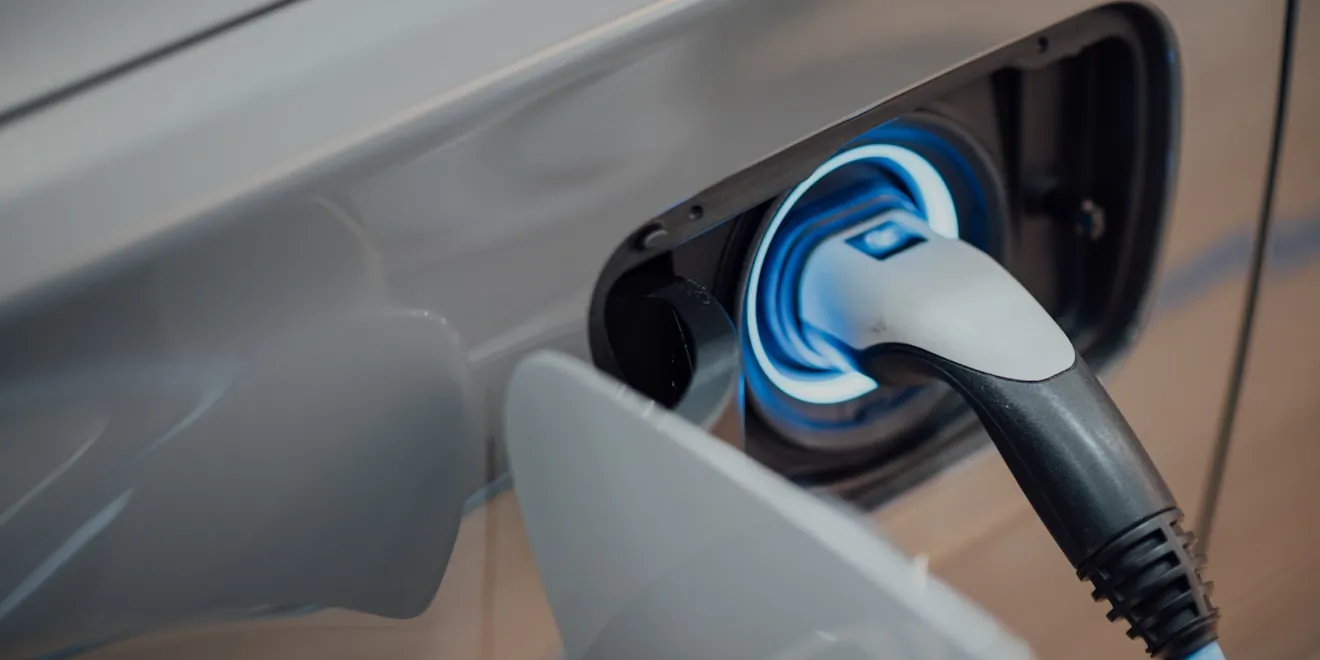
Electric vehicles are steadily becoming more visible on Latvian roads. Growing interest in reducing fuel costs and environmental impact has encouraged more drivers to consider the switch. But along with the new technology come questions that never came up with a conventional petrol or diesel car. What does insurance cover for an electric vehicle? Does KASKO pay out if the battery is damaged? Is the charging cable included in the policy? The answers to these questions matter, and knowing them in advance can save you from unwelcome surprises.
Insurance for electric vehicles in Latvia follows the same basic framework as for any other car. Every registered vehicle must have a valid OCTA policy. KASKO is optional but recommended, particularly for electric cars where the cost of components is considerably higher than for conventional vehicles. Understanding what each type of insurance covers, and where the gaps might be, is the starting point for making a good decision.
OCTA and KASKO for Electric Vehicles
OCTA is mandatory third-party liability insurance required for all registered vehicles in Latvia, including electric cars. It covers damages you cause to other people or their property in a road accident. This includes repairing another vehicle, covering medical costs if someone is injured, and compensating for other financial losses. What OCTA does not cover is damage to your own vehicle. You can calculate the OCTA cost for your electric car using the OCTA calculator, which uses your vehicle registration data to generate a price estimate.
KASKO is voluntary comprehensive insurance that protects your own vehicle. It covers damages caused by accidents regardless of fault, theft, fire, vandalism, and natural events such as storms or flooding. For electric vehicle owners, KASKO carries particular importance due to the cost of the battery. A damaged battery can represent a very significant expense. A well-chosen KASKO insurance policy can absorb that cost and prevent a single incident from causing serious financial damage.
A third option worth considering is OCTA+, which extends the standard OCTA liability limits. When accident damages exceed the base OCTA coverage amounts, OCTA+ fills the gap. For owners of higher-value electric vehicles, this additional layer of civil liability protection can be a sensible addition to the standard policy.
What to Check Before Insuring an Electric Car
While the structure of vehicle insurance for electric cars is similar to that for conventional vehicles, several specific details deserve attention before you commit to a policy.
Battery coverage. The battery is the most expensive single component in an electric vehicle, and it is the one that requires the most careful attention when reviewing KASKO terms. Some policies include battery damage; others exclude it or apply specific conditions around how the damage occurred. Before signing, ask directly whether your policy covers battery damage resulting from an accident, fire, water ingress, or electrical fault.
Charging equipment. An electric vehicle charging cable is portable and can be left at public charging stations, making it a target for theft. Home charging units are increasingly common. Check whether the charging cable and any installed home charging equipment are covered under your KASKO policy or whether separate coverage is required.
Repair costs and excess. Electric vehicles can cost more to repair than comparable conventional cars. Specialist workshops, proprietary components, and the complexity of high-voltage systems all push repair bills higher. This is reflected in KASKO premiums. When comparing offers, look beyond the monthly cost and examine the excess you would pay in a claim, as well as any limits on repair cost coverage.
Vehicle valuation. The market value of an electric vehicle can shift as battery technology evolves and new models arrive. Some KASKO policies cover the market value at the time of an incident; others use an agreed value set at the time the policy is taken out. If your vehicle is newer or higher-priced, understanding how the insurer will calculate a payout in a total-loss scenario is important.
Home charging and associated risks. Home charging has become a standard part of life for most electric vehicle owners. Most insurers do not treat home charging as an elevated risk factor. That said, it is worth confirming whether your home insurance policy covers the charging unit and whether any KASKO terms address damage that might occur during the charging process itself.
Winter conditions. Cold weather reduces battery range and changes driving behaviour, which can increase the frequency of short trips and nighttime charging. It can also affect braking distances on icy roads. While this is not directly an insurance question, winter driving in Latvia carries elevated risk of accidents. A comprehensive KASKO policy that covers accidents regardless of road conditions becomes especially valuable during the colder months.
Insuring an electric car in Latvia is straightforward once you know what questions to ask. A broker can compare offers from multiple insurers, explain the terms in plain language, and help you find a policy that fits your specific vehicle and driving habits. Request a consultation today to get a tailored offer and drive with confidence.