
 My Agento


Solar panels and insurance: does your home policy cover them and what to check
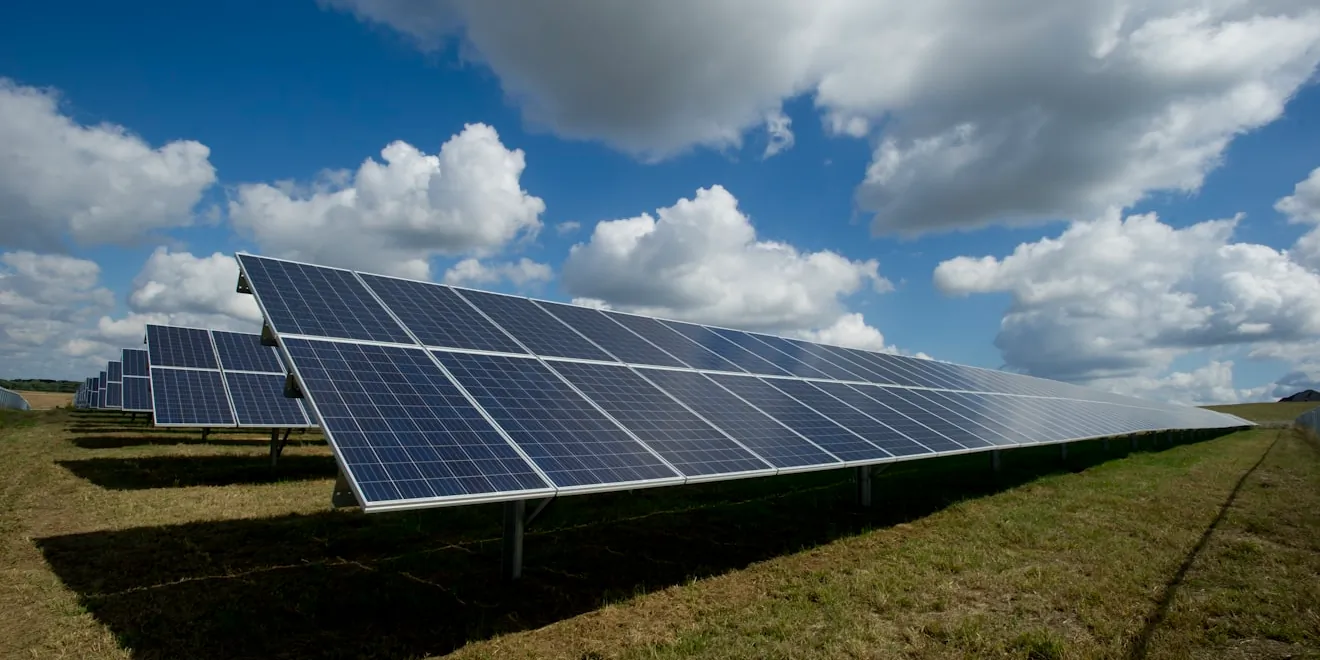
Solar panels have become a common sight on Latvian homes. More and more homeowners are choosing to install solar energy systems to cut electricity costs and reduce their environmental impact. But a question that often gets overlooked until after installation is whether an existing home insurance policy actually covers the panels. The answer depends on the policy terms and the way the panels are installed.
Does home insurance cover solar panels
In most cases, solar panels that are permanently fixed to the roof or facade of a building are treated as part of the structure, much like windows or roof tiles. This means a standard house insurance policy typically covers the panels, but several conditions apply.
What home insurance usually covers for solar panels:
- Damage from natural events such as hail, storms, heavy rain, or fallen trees
- Fire damage
- Theft or vandalism
- Damage caused by snow load or ice
What is generally not covered by a standard policy:
- Mechanical wear and gradual deterioration over time
- Inverter or electrical system failure not linked to an insured event
- Lost energy revenue while the system is under repair
- Damage resulting from faulty installation
For those living in apartment buildings where solar panels are installed on a shared roof, the situation is more complex. Liability may be split between the building manager and individual apartment owners. It is worth checking whether the building common-area insurance covers such installations. Standard apartment insurance terms can differ from house insurance, so it is advisable to verify this with your insurer directly.
What to do to make sure solar panels are properly covered
Once you decide to install solar panels, a few practical steps go a long way towards ensuring your investment is protected.
First, notify your insurer before or promptly after installation. Solar panels increase the value of your home, so the insured sum may need to be adjusted. If the value of the panels is not reflected in the insured amount, any compensation in the event of damage may fall short of the actual replacement cost.
Second, keep installation documents, the warranty card, and the technical specifications from the manufacturer. These records can be important when filing a claim.
Third, check whether the policy covers the inverter and mounting structure, as these are among the most costly components of a solar energy system. In some cases it makes sense to insure the inverter separately or rely on the manufacturer warranty for mechanical failures.
For businesses installing solar panels on commercial or office buildings, business property insurance is needed, with an insured value that reflects the full scale of the installation.
If you are unsure whether your current policy gives solar panels adequate coverage, or if you would like to compare available options, Agento advisors can help. The consultation is free.
Get in touch with an Agento advisor and make sure your solar panels are properly covered.