
 My Agento


Cruise Travel Insurance: What to Know Before You Sail
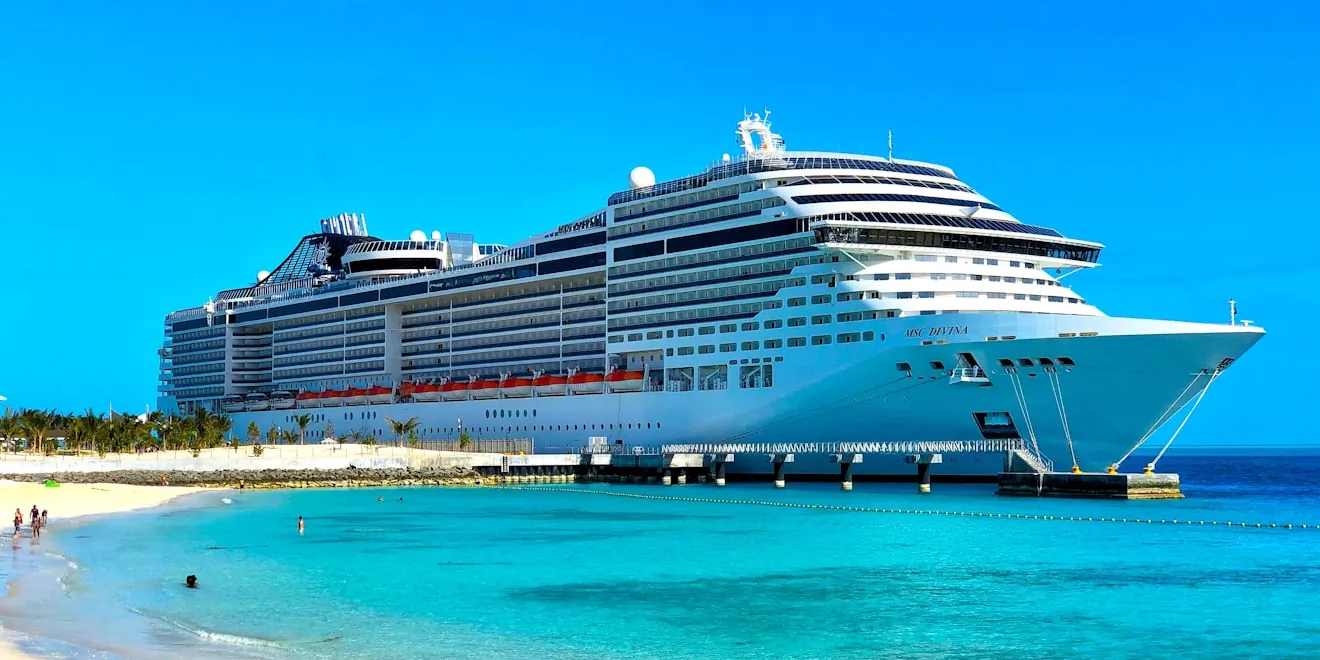
A cruise is a special kind of trip that combines several countries, long stretches of sea and life on board a ship. This very mix means that standard travel insurance doesn't always cover everything that can go wrong on a cruise. Before you set sail, it's worth understanding which risks are specific to this kind of trip and how to choose a policy that includes them.
Unlike a flight to a single destination, a cruise often lasts several days or weeks and calls at several ports in different countries. Part of the time the ship is out on the open sea, where medical care and evacuation are more complex and more expensive than on land. That's why cruise travel insurance needs to be tailored to these particularities.
Which risks to consider on a cruise
The biggest risk on a cruise is related to health. If you fall ill or get injured on board, initial treatment is provided by the ship's medical centre, but in more serious cases evacuation to the nearest hospital on shore may be needed. Evacuation from a ship at sea is one of the most expensive forms of medical assistance, and the European Health Insurance Card does not cover it, because the card usually does not work on board or outside European waters.
That's exactly why a full travel insurance policy with a high medical limit is so important on a cruise. It covers both treatment and repatriation, which in the case of a cruise can be significantly more expensive than on an ordinary trip.
If you have chronic conditions, it's important to declare them when buying the policy. Many insurers ask about previous health issues, and incomplete information can later affect a payout. On a cruise, where many older travellers are also on board, this point is especially important, since health risks grow with age.
Beyond health, a cruise carries other specific risks:
- missed departure, if you don't make it back to the ship at a port
- cabin confinement, if illness means you have to stay isolated on board
- itinerary changes and missed ports due to weather or other reasons
- cancellation or interruption of the trip for unforeseen reasons
- lost or delayed baggage between the flight and the ship
Many of these risks are specific to cruises, so a standard policy doesn't always include them. For example, if you miss the ship's departure at one port, you may have to travel to the next port at your own expense to rejoin the cruise. Costs like these can be covered by a benefit designed specifically for cruises.
Picture a situation: a traveller is delayed during a shore excursion and returns to the port after the ship has already sailed on. Without suitable cover, they have to pay for both the journey to the next port and any overnight stay themselves. With a policy tailored to cruises, costs like these are covered, and the trip can continue without extra worry.
During a cruise, many people also go on shore excursions and take part in various activities. If you plan more active pursuits, such as diving or adventure excursions, solutions built for active recreation trips are useful, because a basic policy may not include sports injuries. Extra security also comes from accident insurance, which supports you in case of injury both on board and ashore.
How to choose cruise insurance
The choice starts with assessing your destination and route. If the cruise takes place in European waters, the conditions may differ from more distant routes, such as the Caribbean or Asia, where medical costs and evacuation are more expensive. The further from home, the higher the medical limit should be.
When choosing a policy, pay attention to the following:
- how high the medical and evacuation limit is
- whether cruise-specific risks such as missed departure are included
- whether shore excursions and planned activities are covered
- the terms for trip cancellation and interruption
- whether the policy works along the whole route and in the relevant regions
It's worth comparing offers from several insurers, because cruise cover and its conditions can differ considerably. It also helps to find out in advance how to reach the insurer's assistance service if an incident happens at sea or in an unfamiliar port, where quick help can be decisive.
Cruise operators sometimes offer their own insurance, but its cover can be limited. So it's worth comparing the operator's offer with independent travel insurance, which often provides broader protection at a similar or even lower price. If the whole family is going on the cruise, make sure the policy covers all travellers, including children, for whom the terms may differ.
Cruise travel insurance is a way to enjoy the trip without worrying about what might happen in an unexpected situation. An insurance broker can assess your route, compare offers and help you choose cover that fits the specific needs of a cruise. Get in touch for a consultation today and set sail knowing you are protected.