
 My Agento


Sports injuries for amateurs: which insurance actually helps
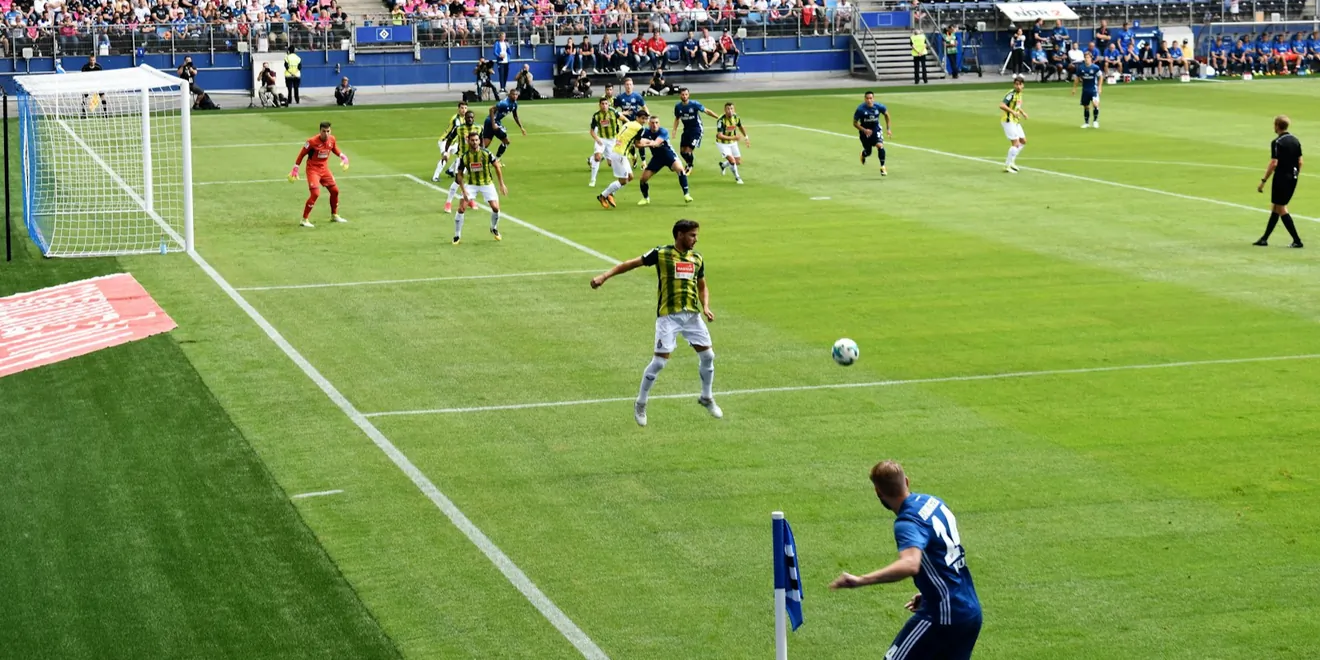
Saturday football with friends, a padel court, a running race or a ride through the forest. Amateur sport has never been more popular, and with it comes a rising number of injuries: sprained ligaments, broken fingers, damaged knee cartilage. The moment it happens, a practical question appears, and most people look for the answer too late: who will pay for the treatment and for the income lost while you cannot work.
The answer depends on which policy you hold. Health insurance and accident insurance solve two different problems, and an amateur athlete often benefits from both.
Health or accident insurance: what is the difference
Health insurance covers treatment services: doctor consultations, examinations, physiotherapy and, depending on the programme, sometimes surgery. If after an injury you need a visit to a trauma specialist, an X-ray and rehabilitation, it is the health policy that pays or reimburses these costs.
Accident insurance works differently. It pays a cash benefit for the injury itself and its consequences: a bone fracture, temporary incapacity for work, disability. The payout is not tied to treatment receipts, and you can use it as you see fit, including to replace lost income while you cannot work. For an amateur athlete this is often the more important part, because two months with an arm in a cast means a real income gap for a self-employed person.
In practice the two policies complement each other: accident insurance covers the financial consequences of an injury, while the health policy covers the treatment process. If you train regularly, it is worth understanding what you already have and what is missing.
One important nuance: many people already have accident cover through an employer health insurance programme, but often only at a basic level and sometimes only during working hours. Check your policy before assuming you are protected during a weekend morning training session too.
Another question worth asking is how the benefit is calculated. Accident policies usually determine the payout for an injury according to an injury table, where each type of damage corresponds to a set percentage of the sum insured. That means a higher sum insured produces a larger payout for the same injury, so choose the sum with your monthly expenses in mind and with a realistic view of how long you might be unable to work.
Sports exclusions in policies and what to do after an injury
This is where amateurs are caught out most often. Insurers separate ordinary physical activity from higher risk sports. The first group usually includes running, swimming, the gym and team games at amateur level. The second tends to cover combat sports, mountain biking, climbing, diving, motorsport, paragliding and similar activities. Some policies exclude them entirely, others cover them for an additional premium.
Competitions are a category of their own. Even if your sport is covered in general, taking part in official competitions or at professional level can be excluded. If you plan to enter a race, even in the amateur class, clarify this with your insurer in advance.
If you cycle regularly, consider specialised cover. Cyclist insurance is designed for exactly this risk and usually includes liability towards third parties, which matters if another road user is hurt in a collision.
Sport for children has its own specifics. Training at a sports school, camps and competitions all mean regular exposure, so accident insurance for children is one of the most practical investments a parent can make. Check whether the sports school provides cover during training, and whether it also applies outside sessions.
If an injury does happen, act in order. See a doctor as soon as possible and make sure the injury and the circumstances are recorded in the medical documents, because these are the main evidence in the claims process. Keep all statements, referrals and receipts. Notify the insurer within the deadline set in the policy, since a late claim can complicate the payout. And reread the policy terms so you know which documents will be needed.
One more piece of advice that costs nothing: reduce the risk itself. Good equipment, a proper warm up and a gradual increase in intensity prevent a significant share of amateur injuries. Insurance is a safety net, not a substitute for a sensible attitude towards your own body.
If you train regularly, it is worth checking at least once what your policy actually covers. The specialists at Agento.lv will help you compare accident insurance offers, check the sports exclusions and choose cover that matches your activities. Get a free consultation and an advisor will contact you within one working day.