
 My Agento


Travel Insurance for Students Studying Abroad
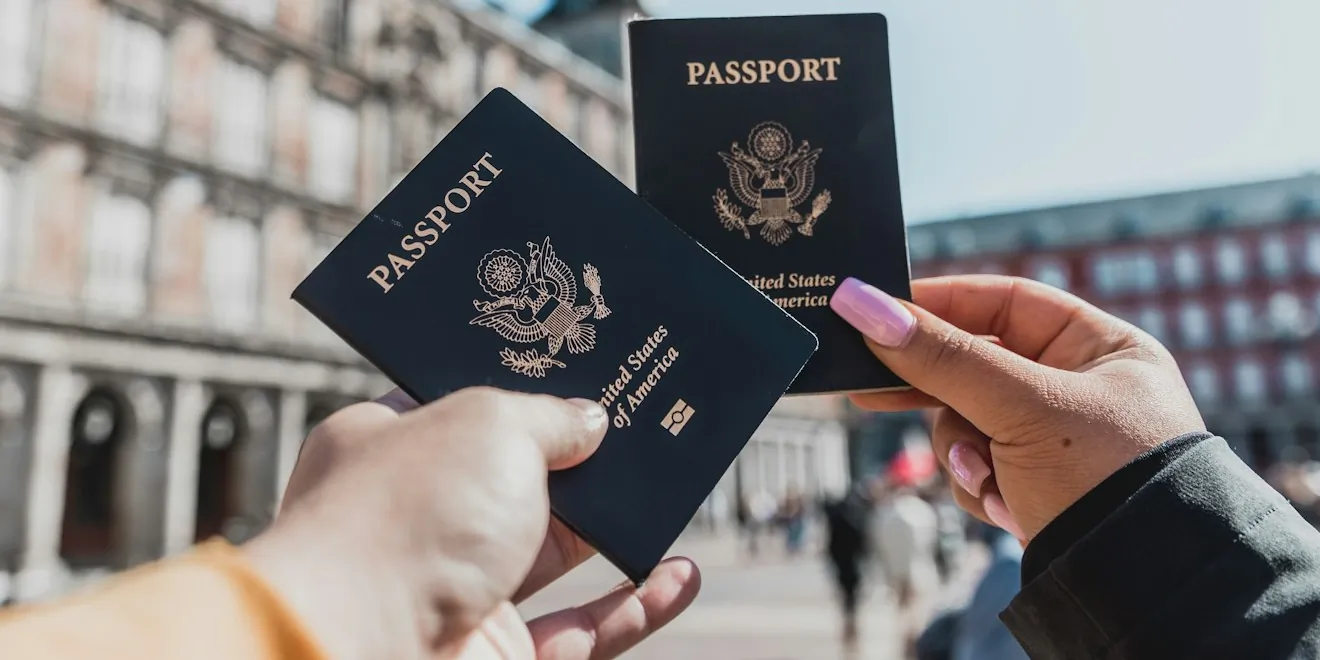
Studying abroad, spending an exchange semester or doing an internship in another country is the kind of experience that stays with you for life. Before leaving, students usually think about accommodation, paperwork and budget, while insurance tends to slip to the bottom of the list. That is exactly where the risk hides, because a longer stay abroad also means a higher chance of running into something unexpected, from illness to lost luggage.
Many young people rely only on the European Health Insurance Card, or EHIC, assuming it will handle everything. In reality the card only covers part of the costs, and only in certain countries. To understand why a proper travel insurance policy makes sense for a student, it helps to know what each option actually covers.
Why the EHIC card is not enough for a student abroad
In Latvia the European Health Insurance Card is issued by the National Health Service, and it lets you receive state-funded necessary medical care in other European Union and European Economic Area countries on the same terms as local residents. In practice this means a student can get urgent care, but not always for free and not at every clinic.
The main limitation is that the card only applies to the public healthcare system. If local residents pay for a service themselves, the student pays the same amount. Private clinics, which foreigners often turn to, aren't covered at all. The card also doesn't work outside Europe, so a student heading to the United States or Asia, for example, is left with no protection whatsoever.
Picture a simple scenario: a student falls ill during the exchange and needs surgery. With the EHIC card they can reach a public hospital, but if there's a long queue or a private clinic is needed, the bill can run into thousands of euros. Add a medically supervised flight back to Latvia and the sum climbs even higher. This is what travel insurance covers when the state card leaves the rest unpaid.
There's a whole list of situations the EHIC card leaves uncovered, and they are often the most expensive ones:
- transport back to Latvia in case of serious illness or injury
- treatment in private clinics and hospitals
- dental care and many additional services
- lost, stolen or damaged luggage and belongings
- liability towards other people if the student causes harm
This is exactly the gap that travel insurance fills. It is designed for longer trips and offers far broader protection than the state card alone.
Here is what a student-friendly travel policy usually includes:
- medical expenses in both public and private facilities up to a set limit
- repatriation, meaning transport home if long-term treatment is needed
- cover for luggage and personal belongings, including a laptop and phone
- personal liability if the student accidentally harms others
- support in case of accidents, which can be extended with accident insurance
How to choose a policy for studying abroad
A student policy differs from an ordinary tourist policy in one important way, and that's the length of stay. While a regular traveller leaves for a week or two, a student often stays for several months or even a full academic year. So the first thing to check is whether the policy covers the entire planned period. Many insurers offer long-term or multi-trip cover, which works out better than buying separate short policies.
The second key factor is the destination. If the studies take place within the European Union, the EHIC card can act as a supplement to a travel policy, but never as a replacement. If the destination is outside Europe, full insurance with a high medical limit becomes an absolute must, because treatment in many countries is extremely expensive.
The third thing people often forget is activities. Many students travel during their exchange, play sports or try something new. If you plan to ski, dive, climb or take part in other active pursuits, it's worth choosing a policy that covers these risks too. Solutions built for active recreation trips are useful here, because a standard policy may exclude sports injuries.
When choosing a policy, it is also worth paying attention to the following:
- how high the medical limit is and whether it matches price levels at the destination
- whether repatriation and round-the-clock assistance are included
- what the deductible is and which situations the policy excludes
- whether valuable electronics, which a student needs every day, are covered
Insurance offers vary, and it isn't always easy for a student to tell which one fits best. An insurance broker can compare offers from several insurers, explain the policy terms and help you choose cover that matches your study plan and budget. Get in touch for a consultation today and head off to study abroad knowing you are protected.