
 My Agento


Summer House and Garden House Insurance
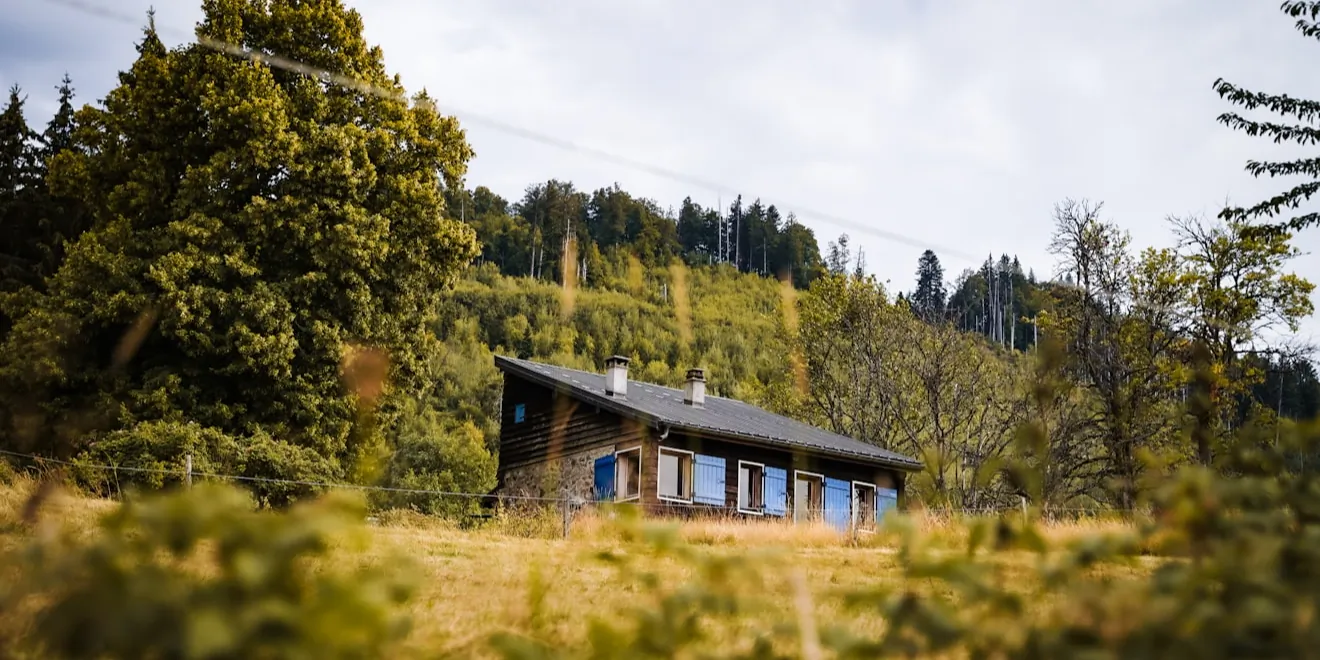
Early summer is when many families in Latvia return to their summer house or garden house. Shutters are opened, the water system is switched back on and the garden is tidied up. Yet returning after winter sometimes brings unpleasant surprises, from signs of a break-in to burst pipes or roof damage.
Summer house insurance differs from ordinary home insurance in one important respect. The property stands empty and unattended for most of the year, and that changes the risk profile entirely. While a burst pipe in a city flat is noticed within hours, in a summer house it can leak for weeks before anyone sees it. Below we explain the risks typical here and what to look for when choosing a policy.
Which risks a summer house faces
The main factor is emptiness. An unoccupied property is more attractive to thieves, and any technical fault goes unnoticed for longer. Summer houses are also often located further from neighbours, in a forest or near water, which increases both the risk of theft and exposure to natural events.
The most typical risks holiday home owners face:
- break-ins and theft of equipment, garden machinery or tools
- fire caused by a stove, fireplace or ageing electrical wiring
- water leaks from pipes, especially after freezing in winter
- roof and facade damage from storms and fallen trees
- vandalism and damage to property while nobody is around
- flooding if the property is near a river or lake
Many people assume a summer house can be insured in the same way as a permanent home. In practice insurers assess these properties separately, because they differ both in how often they are occupied and in construction materials. A wooden building with stove heating will have different terms than a brick house with a permanent electricity supply. That's why house insurance solutions need to be adapted individually for a summer house.
It's also essential to separate the building from its contents. A policy may cover the structure itself but not the furniture, appliances, bicycles or garden tools. If valuable items are kept at the summer house, such as a lawnmower, a boat or tools, they are usually insured separately. It's worth drawing up this list in advance so the policy includes exactly what you actually have.
How to choose a policy for a holiday home
The choice starts with an honest assessment of the situation. Insurers usually need to know how often the property is visited, whether it is occupied in winter, what the heating system is and whether there is security or an alarm. This information affects both the price and the terms, and inaccurate details can complicate a claim later.
Before buying a policy, it's worth clarifying the following:
- whether cover applies all year, including when the property stands empty
- whether there are requirements for door locks, window protection or an alarm
- whether only the building is insured or the contents as well
- whether outbuildings such as a sauna, shed or greenhouse are covered
- the deductible for each type of risk
- whether there are conditions about draining the water system for winter
That last point matters more than it seems. Many policies require the water system to be shut off and drained out of season, otherwise damage from a frozen and burst pipe may not be covered. This is one of the most common reasons a claim is reduced or refused.
Insurance works well alongside practical steps. Good locks, shutters, motion sensors or an arrangement with a neighbour who checks on the property now and then not only reduce the risk but sometimes also affect the policy terms. Photographs and a list of the more valuable items will help prove the extent of a loss more quickly if something happens.
If a family with children regularly stays at the summer house or guests are invited, it's worth thinking about protecting people too. Injuries during garden work or leisure are not rare, and here accident insurance is useful, providing support with treatment costs.
If you own a city home in addition to the summer house, it's worth reviewing both policies together, because apartment insurance and holiday home cover can complement each other. An insurance broker can assess the risks of both properties, compare offers and help you choose a solution with no overlaps and no gaps. Get in touch for a consultation today and enjoy the summer without worrying about your property.