
 My Agento


Buying a Car and Insurance: What to Know
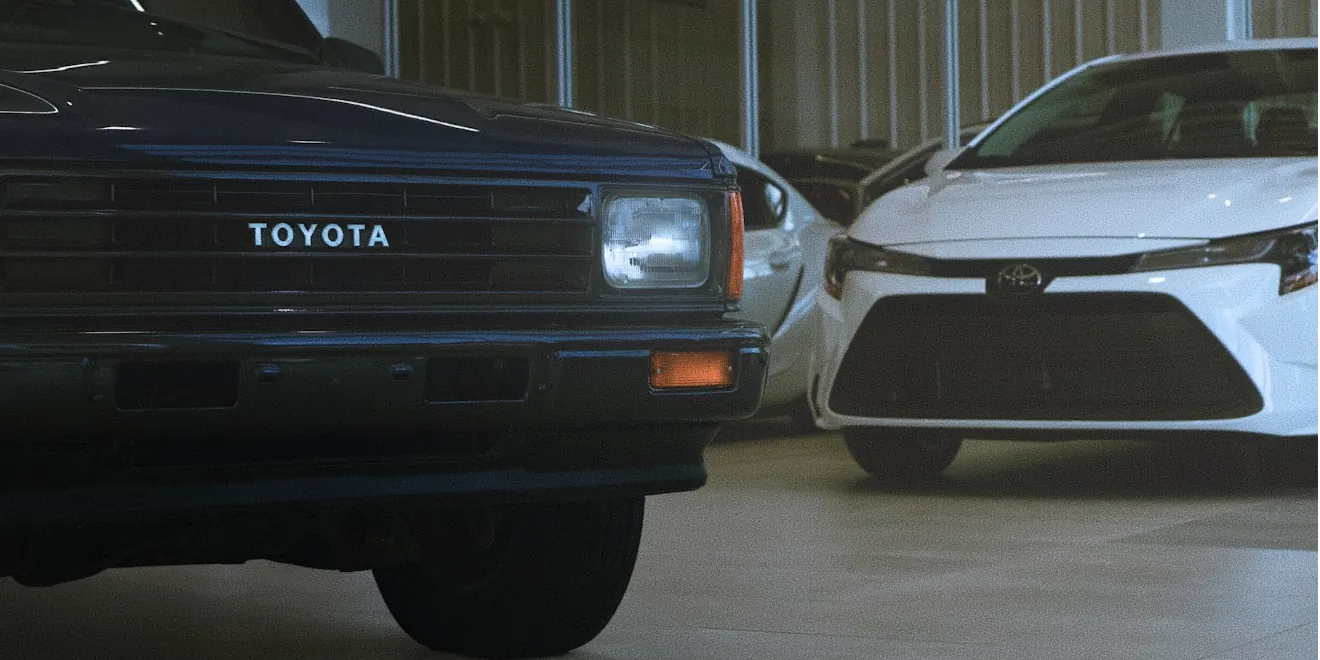
Buying a car usually starts with adverts, viewings and haggling over the price. Once the deal is done and the keys are in your hand, you simply want to get in and drive. That's exactly the moment many people forget about insurance, and it can turn out expensive, because a vehicle cannot be driven on public roads without a valid OCTA policy.
Insurance in the car-buying process isn't a formality to be postponed. When ownership changes, the situation with the policies changes too, and a gap can open up between the seller's and the buyer's cover, a period in which nobody is responsible for potential losses. Below we explain what happens to OCTA and KASKO during the transaction and in what order to sort it all out.
What happens to OCTA and KASKO when ownership changes
OCTA is the compulsory third-party liability insurance required in Latvia for every registered vehicle. It covers the damage you cause to others with the car, but not damage to your own vehicle. When buying a used car, it's important to check whether the policy is valid and to find out how it will be handled once ownership changes.
In practice, the seller often terminates their policy after the deal, while the buyer needs to take out a policy in their own name. So before your first drive, it's worth confirming that the cover really applies to you, rather than assuming the previous owner's policy simply continues. You can calculate and compare offers using the OCTA calculator.
With KASKO the situation is different. It's a voluntary policy covering damage to your own car, theft and other risks, and it's usually closely tied to the specific owner and their details. That means the seller's KASKO insurance doesn't automatically pass to the buyer. The new owner needs to arrange their own cover, and this is a good moment to review how much protection is actually needed.
Before closing the deal, it's worth checking the following:
- whether the vehicle has a valid technical inspection
- whether the OCTA policy is in force and until what date
- whether the car is free of encumbrances or pledges
- the registration and damage history of the vehicle
- whether the seller is the actual owner or an authorised person
This check affects not only the safety of the transaction but also the insurance terms. A car with an extensive damage history or unclear origin can be treated by insurers as a higher risk object, and that shows up in the price or conditions of the policy.
In what order to handle the paperwork and policies
The practical order is simple once you know it. First the purchase agreement is signed, then the vehicle is re-registered in the new owner's name, and only when the registration details are in order does the policy work as it should. Many people combine these steps into a single day, so there is no period in which the car formally belongs to one person while another is driving it.
To avoid a gap in cover, it's advisable to follow these steps:
- agree with the seller on the exact moment ownership changes
- take out your own OCTA policy before the first drive
- re-register the vehicle in your name
- consider whether KASKO is needed and which deductible suits you
- keep the purchase agreement and proof of the policy
If the car is bought on leasing or credit, the conditions are stricter. The lender usually requires a KASKO policy for the whole term of the contract, because the vehicle serves as security. In that case the scope of cover and the deductible may already be set out in the financing agreement, so this should be checked before choosing a policy.
Buying a car abroad deserves a separate mention. If the vehicle is brought in from another country, you need to plan how it will reach Latvia and what cover applies on the way. After registration in Latvia a local OCTA policy is required, and it's worth discussing this stage in advance so the drive home doesn't happen without protection.
The seller has tasks too. After selling the car, it's worth making sure the vehicle is no longer registered in your name and that the policy question has been settled. Otherwise you may end up in a situation where you keep receiving notices or bills for a vehicle you no longer own.
When buying a car, it's also worth thinking about extra protection. The compensation limits of standard OCTA do not always cover the consequences of a serious accident, which is why many drivers choose OCTA plus cover, extending the limits of the compulsory policy. An insurance broker can compare offers from insurers and help you choose a solution that fits your car and driving habits. Get in touch for a consultation today and start driving your new car with confidence.