
 My Agento


VIN check before buying a used car
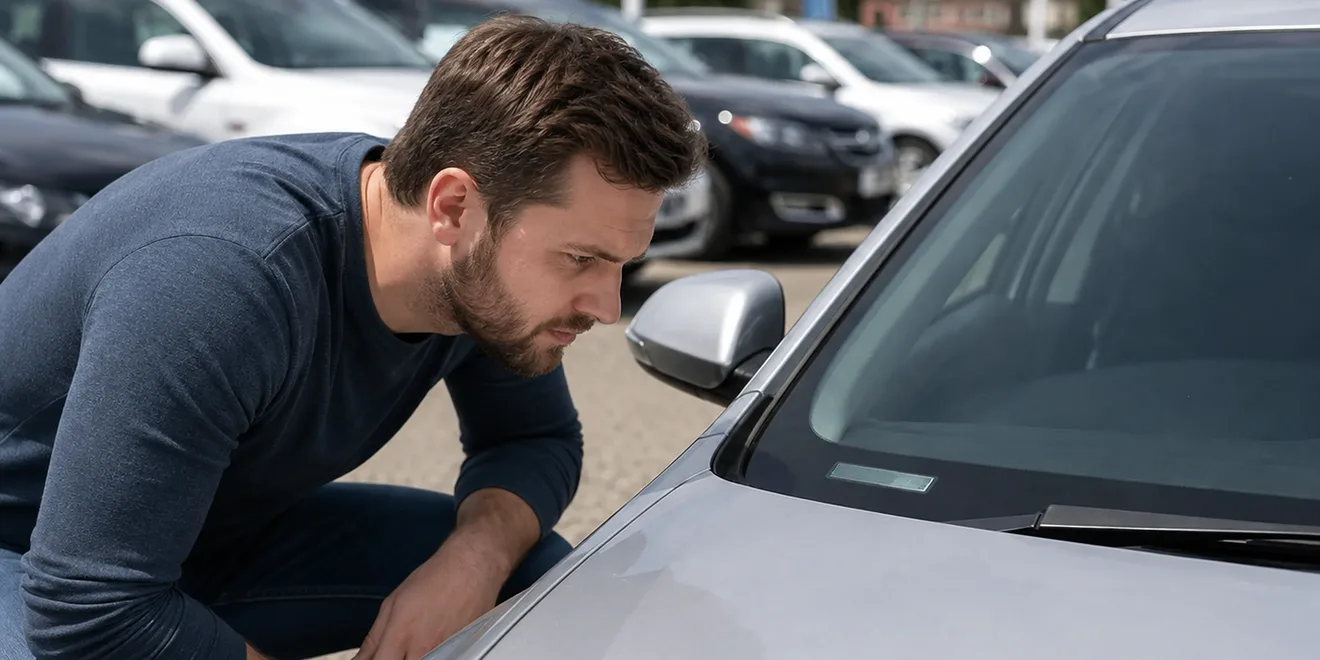
On the used car market a tempting offer can hide unpleasant surprises: a rolled-back odometer, undisclosed accidents or a re-registration ban. Much of this can be checked before any money changes hands, and the key tool is the VIN. In this article we explain what a VIN is, what it can tell you and which free official sources are available in Latvia.
What a VIN is and where to find it
The VIN (Vehicle Identification Number) is a unique 17-character identification number assigned to every car by its manufacturer. It stays the same for the vehicle's entire life and works like its personal code: it lets you trace registrations, inspections and repairs across different databases.
The VIN is usually found in several places: on the body under the windscreen, on a sticker in the door frame or engine bay, and in the vehicle registration certificate. The first check is simple: the VIN on the body and the VIN in the documents must match character for character. If the number looks damaged, re-stamped or differs from the documents, walk away from the deal.
What a history check can reveal
By checking the VIN and registration number in official databases, you can find out:
- odometer readings - whether the mileage has been tampered with;
- roadworthiness test history - when the car passed inspections and with what results;
- signs of accidents - major repairs and resprayed panels often point to crashes the seller keeps quiet about;
- owner changes - how often the car has changed hands;
- registered prohibitions - for example, a ban on re-registration.
CSDD e-services: free and official
Latvia is one of the few European countries where mileage data recorded at roadworthiness tests is publicly available free of charge. On the e.csdd.lv portal, in the section Tehniskās apskates dati (technical inspection data), you only need to enter the vehicle's registration number to see the odometer history and the latest inspection results. Using the portal requires free registration - with a driving licence issued in Latvia, internet banking or an e-signature.
A more detailed report is available in the CSDD mobile app for a small fee: make, year of manufacture, fuel type, mileage from inspection records, owner change dates, a detailed assessment of the last inspection and registered prohibitions.
If the car was imported, use the links compiled on the CSDD website to other countries' registers: you can search mileage and inspection data for vehicles registered in Czechia, Denmark, France, Lithuania, the Netherlands, Norway, Poland, Slovenia and Sweden. The data is fairly general, mostly in the local language, a fee may apply, and CSDD does not guarantee its accuracy.
Buyer's checklist before the deal
- compare the VIN on the body with the VIN in the registration certificate;
- check the odometer history on e.csdd.lv and compare it with the dashboard reading;
- review the inspection history and results;
- find out whether any prohibitions are registered;
- for an imported car, check its history in the register of the country of origin;
- ask for the service book and repair invoices;
- have the car diagnosed at an independent workshop before buying;
- sign a written purchase agreement stating the exact mileage and price.
What to arrange after the purchase
After the deal the car must be re-registered with CSDD, and an OCTA policy is mandatory for taking part in road traffic. To compare insurers' offers, use the OCTA calculator. Damage to your own car, theft or losses caused by natural forces are not covered by OCTA - that is what KASKO insurance is for. For a used car it is especially valuable in the first months after the purchase, while you are still getting to know the vehicle and its possible hidden defects.