
 My Agento


Smart Home Technology and Home Insurance
Only a few years ago, a smart home seemed like an expensive hobby for technology enthusiasts. Today most solutions have become affordable for an ordinary home, and they are no longer only about comfort. A water leak sensor that sends a notification to your phone can save you from a repair costing far more than the device itself.
From an insurance perspective, smart technology is interesting for one particular reason. It doesn't stop an incident entirely, but it often reduces the consequences, because the problem is noticed earlier. A burst pipe discovered within five minutes and the same pipe leaking for two days are two completely different scales of loss. Below we explain how these devices work in the context of home risks and what is worth knowing about them.
How smart technology reduces risks at home
Most home losses in Latvia are related to water, fire and break-ins. These are exactly the three areas where smart devices deliver the greatest practical benefit, because they work when nobody is at home.
The most commonly used solutions and their practical value:
- water leak sensors under the sink, washing machine or boiler, warning about moisture at an early stage
- automatic shut-off valves that cut the supply when a sensor detects a leak
- smart smoke and carbon monoxide detectors with notifications to your phone
- motion sensors and cameras that record events while you are away
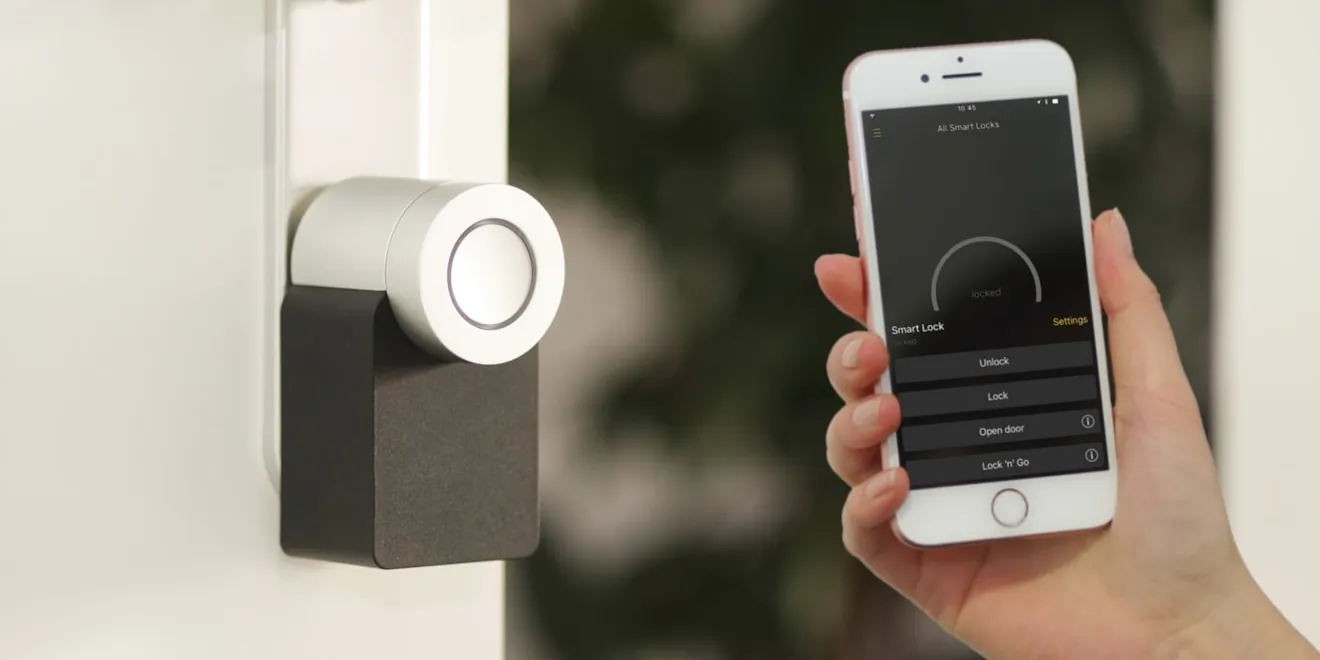
- smart locks that let you see when and who opened the door
- temperature sensors warning when indoor temperature drops and pipes risk freezing
These devices don't replace insurance, but they work well alongside it. A policy covers losses that have already occurred, while sensors help keep those losses as small as possible. In practice this means not only a smaller claim but also less everyday disruption, because repairing a minor leak is far quicker than dealing with a flooded floor.
It's worth understanding the limits too. A smart device only helps if it's correctly installed, charged and connected to the internet. A sensor with a dead battery or a camera that has lost its connection won't work in a real situation. That's why basic house insurance remains the main financial safety net, with technology as an addition to it.
What to consider when combining technology and a policy
The first practical question is the equipment itself. Smart devices are property with a certain value, and if an extensive system is installed, it's worth confirming whether it falls within the policy cover. Some policies cover home electronics as part of household contents, while others require them to be listed separately, especially for more expensive systems.
The second question is the policy terms. Some insurers take security solutions into account when assessing the risk profile, for example if an alarm or security service is installed. Whether and how this is reflected in the price differs from case to case, so it's worth clarifying directly with the insurer or broker rather than assuming it.
When installing a system, it's worth thinking about the following:
- whether the devices work if the power or internet goes down
- whether more than one person in the family receives the notifications
- whether the system data is stored securely and who can access it
- whether installation is done by a certified specialist where electricity or plumbing is involved
- whether the policy sets conditions about switching the alarm on while away
That last point matters more than it seems. If the policy states that the home has an alarm, the insurer may expect it to actually be used. In the event of a theft when the system was switched off, the question of compensation can become more complicated. So the promises in the policy and everyday habits need to match.
Apartments deserve a separate mention. In a multi-unit building, part of the risk comes from neighbours, and a water sensor by your own boiler won't help if the leak comes from the floor above. In that situation apartment insurance with suitable cover becomes more important, because technology can only protect you from what happens within your own space.
Another area where technology delivers real value is absence. If the home stands empty for a longer period, remote monitoring lets you react in time and sometimes also evidence the circumstances of an event. Camera recordings and sensor history can be useful when documenting losses, but they are not a guarantee of compensation, as the policy terms remain decisive.
If an incident at home also injures people, cover for belongings alone doesn't help. In such cases accident insurance is useful, providing support with treatment costs. An insurance broker can assess the risks of your home, take into account the security solutions already installed and help you choose suitable cover. Get in touch for a consultation today and pair modern technology with complete protection.