
 My Agento


Autumn storms: protecting business property and operations
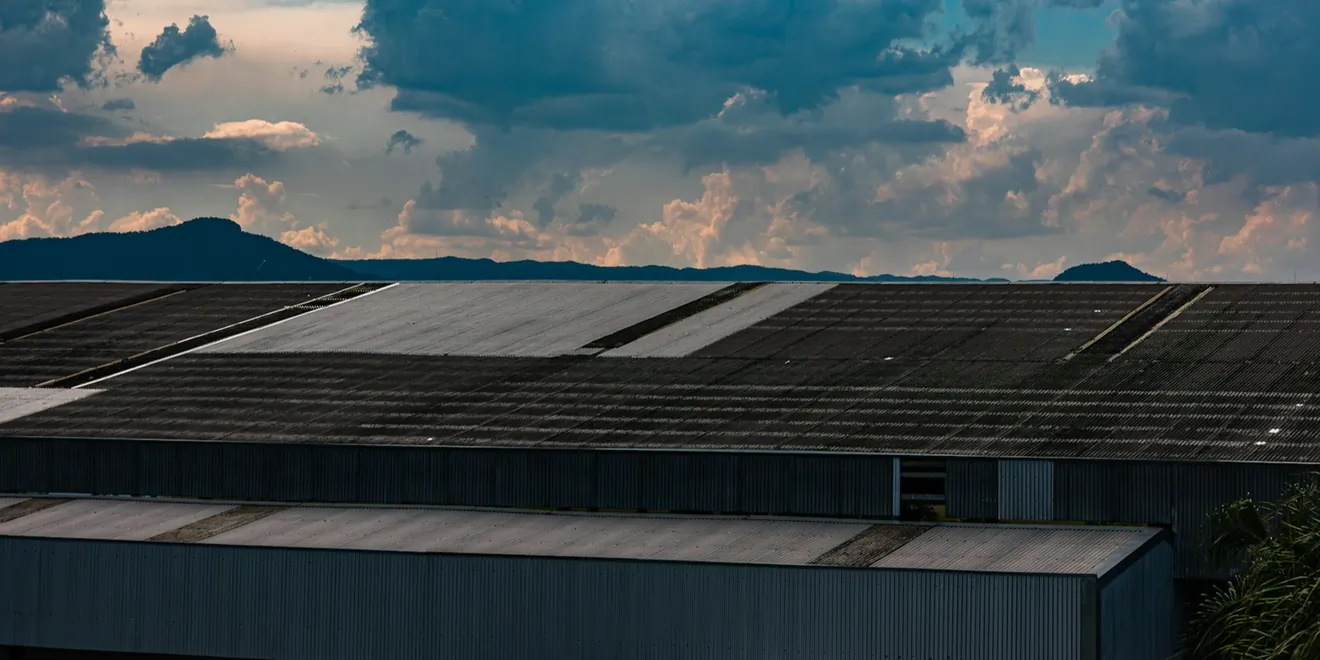
The end of August is when the weather in Latvia changes character. A period of stronger winds, prolonged rain and the first serious storms begins, and it continues into winter. For businesses this means a rising risk that affects not only buildings but the ability to operate at all.
An autumn storm usually causes two kinds of loss. The first is visible: roofing torn away, broken windows, a flooded warehouse, damaged signage, a tree fallen onto a company car. The second costs more: forced downtime. If production stands still for a week without electricity, or a shop cannot trade because the ground floor is flooded, the lost profit often exceeds the repair bill itself.
What a business property policy covers and where the gaps are
Standard business property insurance usually covers buildings and their contents against damage from storm, hail, rain and flood. That is the foundation everything else rests on. Yet this is exactly where the first misunderstanding arises: a policy covers what is listed in it, and only up to the sums stated in the contract.
Check that the sums insured are still realistic. If a building was insured for a sum set five years ago, construction costs have changed since then, and reinstatement may cost more than the policy pays. Check as well that every structure is included: canopies, fences, outdoor storage, rooftop solar panels and advertising structures are often left outside the cover.
The second gap concerns equipment. Production lines, server racks, refrigeration units and specialised machinery often represent the largest share of a company real value, yet a standard property policy may cover them only partly. Equipment insurance is designed for this risk and usually also covers damage caused by power cuts or voltage fluctuations. During autumn storms, disruption to the electricity network is one of the most common reasons equipment suffers, even when the building itself stays intact.
The third element is the one companies forget most often: business interruption cover. It compensates lost profit and fixed costs during the period when the company cannot operate because of an insured event. Wages, rent and loan payments continue even when production stands still. If your policy has no such section, the consequences of a storm can prove far more expensive than the repair estimate suggests.
If your company rents its premises, divide the responsibility clearly. The building is usually insured by the owner, while equipment, stock and interior finishes fall to the tenant. Reread the lease and find out who is responsible for the roof, windows and utilities, because after a storm this is exactly the question that turns into a dispute. If the lease is vague about it, clarify it before the season starts.
Another common detail is the deductible. In corporate policies it tends to be considerably larger than in policies for private individuals, and it is sometimes set as a percentage of the loss. Check your deductible before the season so you know what amount you would carry yourself.
Liability towards others and what to do before the season
During a storm a business can not only suffer damage but also cause it. A sheet of metal blown off a roof onto a neighbouring car, an unsecured construction element or a broken sign that injures a passer by are situations where liability rests with the owner or manager. These cases fall under business civil liability insurance. Importantly, liability usually arises when the owner has failed to take reasonable preventive measures, so documented maintenance is both a safety and a legal argument.
Practical preparation before the season takes a few hours and saves a great deal. Check the roof covering, gutters and rainwater drainage, because a blocked downpipe is one of the most common causes of flooding. Secure or remove anything that can come loose: banners, canopies, outdoor furniture, pallets in the yard. Check whether nearby trees threaten buildings or parking areas. Review the electrical installation and consider surge protection for critical equipment.
Think about data and documents too. If the server sits in a basement or on the ground floor, the flood risk is real, and off site backups cost far less than data recovery. Photograph the premises and equipment before the season, because after an incident this helps prove their condition before the damage.
If a storm does cause damage, act in order. First make sure people are safe and take steps to prevent the loss from growing, for example by covering a damaged roof. Photograph everything before clearing up. Keep the damaged property until the insurer has inspected it. Notify the insurer within the deadline set in the policy and keep receipts for all emergency expenses, as these are often reimbursed.
The autumn season is predictable, which is exactly why it can be prepared for. The specialists at Agento.lv will help you review your current policies, assess whether the sums insured are still adequate and check whether your cover includes equipment and business interruption. Get a free consultation and an advisor will contact you within one working day.