
 My Agento


Last minute travel insurance: how quickly the policy starts working
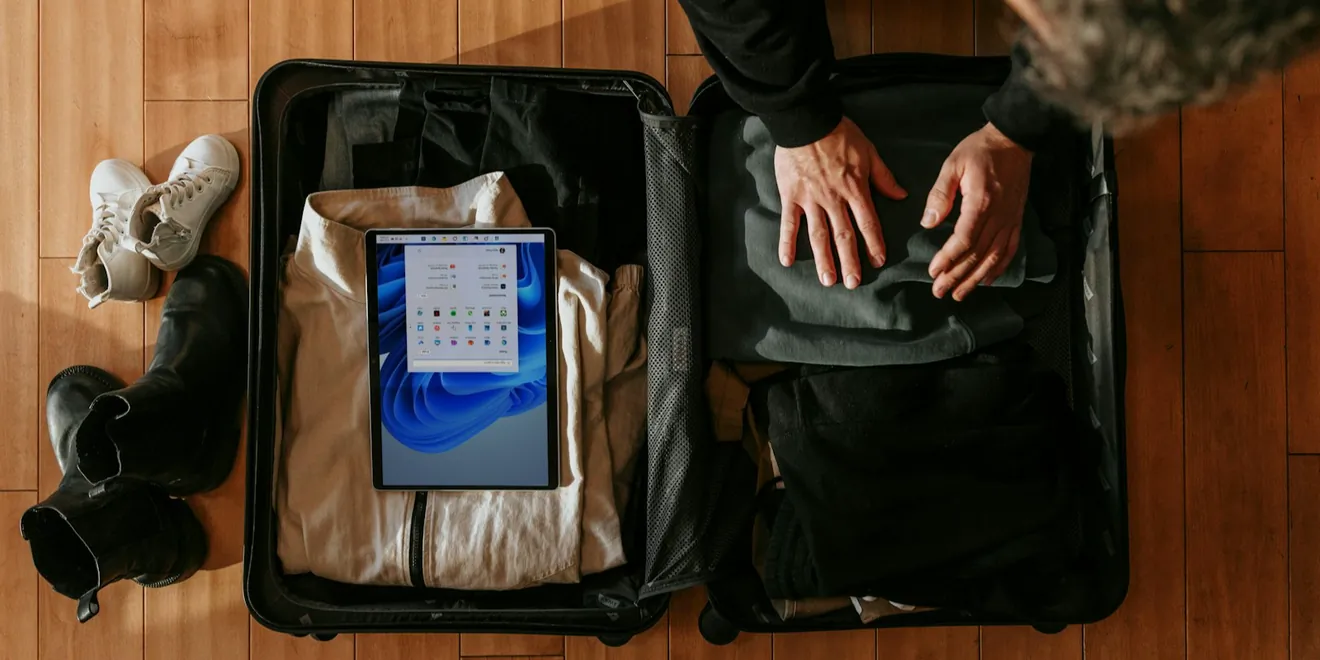
Summer is ending and the last minute deals are tempting: a week by the sea at half price, departure in three days. Tickets booked, suitcase half packed, and then comes the thought that usually arrives last: insurance. The good news is that travel insurance online takes only a few minutes to arrange. The bad news is that one clause decides whether a late purchase helps at all.
That clause is the moment the policy takes effect. A travel policy is not a time machine: it covers events that occur after cover begins, not before. That sounds obvious, yet this is exactly where most misunderstandings start.
When cover starts and what a late purchase no longer covers
In practice a policy usually takes effect on the day after it is arranged, or on the date you specify if that is later. Some insurers let cover begin within hours of payment, but you cannot assume it. Before paying, always check the exact date and time in the policy details, especially if your flight leaves early in the morning.
The second point matters even more than the first. Medical cover usually works from the start of the policy, but trip cancellation cover applies only to circumstances that arise after the policy was arranged. If you buy the policy the day before departure, cancellation cover loses most of its meaning: by the time anything could happen, you are already travelling. This is why cancellation cover should be arranged together with the tickets, not just before the trip.
The third principle concerns circumstances that are already known. If you are already ill when you buy the policy, a strike at the airport has already been announced, or a storm warning has already been published, these circumstances are usually not covered. Insurance covers the unexpected, not what is already known. A late purchase is therefore not a universal solution, but it is still far better than travelling with no policy at all.
One more detail worth knowing: some policies apply a waiting period to certain sections, for example illness during the first hours after cover begins. It is not standard across all insurers, but it is worth checking the terms before buying, especially if you arrange the policy on the day of departure.
So what does a late purchase cover in full? Emergency medical assistance, accidents, injuries, transport back home, lost luggage and civil liability. These are exactly the risks that generate the largest bills, and they occur after departure. A policy bought the evening before a trip is still worth having.
What to do before you fly
Start by checking whether you already have cover. Some people have basic travel protection through an employer or a bank card, but the limits are often low and the conditions narrow. If such cover exists, find out the medical expenses limit and whether it applies to all family members. Bank card cover usually works only if the trip was paid for with that specific card, and that condition is rarely noticed.
One more suggestion for late season trips: check whether the policy covers trip interruption. If something serious happens at home and you have to return early, this section pays for the new tickets. At the end of summer, when many people leave schoolchildren or elderly relatives behind, that is not a theoretical scenario.
If you travel several times a year, consider an annual policy instead of a separate one for each trip. An annual policy covers all trips within the period, with a maximum number of days per trip, and it is both cheaper and more convenient, because a last minute trip needs no paperwork at all. You can read more about the options on the travel insurance page.
Check the activities you have planned as well. If your destination involves diving, mountain hiking, kitesurfing or renting a scooter, a standard policy may not cover them. Cover for active leisure normally has to be declared when the policy is arranged, and it cannot be added once you have departed. Riding a scooter or motorbike is a particularly common misunderstanding at southern resorts, so check that one separately. If your trip is active and the risk of a sports injury is real, consider accident insurance as well, which works all year regardless of where you are.
If you travel as a family, one policy for everyone is simpler than separate ones. Insurance for children has its own specifics, so make sure the children are named in the policy and that the cover extends to their activities.
One more thing people sort out too late: keep the policy on your phone. Not in a folder on the computer at home, but where you can show it to a doctor in another country. Note the round the clock assistance number too, because that is the first number to call if something happens abroad.
A last minute trip does not mean insurance has to be an afterthought. Agento.lv lets you compare travel policies from several insurers and arrange one online in a few minutes, even on the evening before departure. Calculate your price and buy the policy before you start packing.