
 My Agento


Ski Trip Travel Insurance for the Winter Season
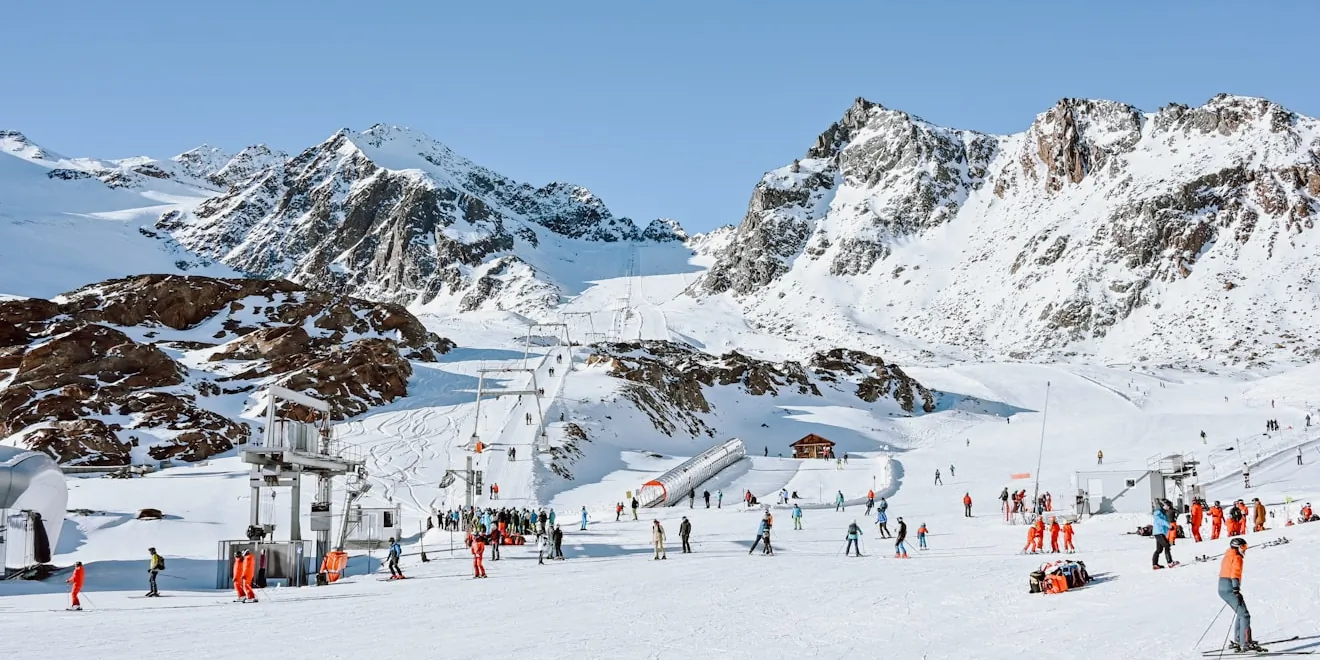
Most people who ask us about ski trip travel insurance have already booked the apartment and paid for the flights. The question usually sounds like this: "I have the EU health card, isn't that enough?" For a city break it might be. On a ski trip the first bills arrive before you ever reach a hospital, and that is where the card stops helping.
The EHIC is not ski insurance
The European Health Insurance Card (in Latvia, the EVAK issued by the National Health Service) is worth carrying. It gives you access to state healthcare in the EU and EEA countries, Switzerland and the UK on the same terms as local residents. That means their co-payments too, and only state providers, not private clinics. Outside those countries the card is no use at all: not in Gudauri in Georgia, and not in Andorra either.
A skier from Riga twists a knee on a red run in Sölden. The ski patrol brings him down on a sledge, a private clinic in the village does the scan, and the doctor tells him not to fly for a week. The card can help at the state hospital in the valley. It will not pay for the sledge, the private clinic or getting him home with his leg in a brace.
The European Commission lists mountain rescue in ski resorts and repatriation among the things the card does not cover. In many French resorts even a trip down the piste in the ski patrol's sledge is invoiced to the injured skier, and if a helicopter is called, that can be billed too.
Does a standard travel policy cover skiing?
A standard travel policy is written with a beach or a city in mind. Many insurers treat skiing and snowboarding as higher-risk activities, so winter sports cover comes as an add-on or as a separate product. Without that add-on, a claim for a torn ligament on the slope can be declined, while slipping on the icy steps outside the hotel would normally count as an ordinary medical expenses claim.
For a ski week we compare ski insurance offers, not plain travel policies. The first line we read is rescue from the mountain, then the medical limit for that country, then how you get home to Latvia.
Skiing and snowboarding normally sit in the same section of a policy, but not always. If the snowboarders plan to spend their afternoons in the park, compare snowboard insurance terms separately and ask how jumps are treated.
A Saturday at Žagarkalns or Milzkalns is not a trip abroad, and travel policies are generally built for trips outside Latvia. For the home slopes you need accident insurance.
Off-piste, helmets and a drink at lunch
Marked pistes are the default. Leave them and you are in the small print.
One insurer accepts off-piste within the resort boundaries, another only with a qualified guide, a third excludes it outright. Heli-skiing, which Gudauri is known for, usually has to be agreed separately, if it is covered at all. If you plan freeride or anything else beyond the groomed runs, tell us before the policy is issued, not after the fall.
In Italy a helmet has been compulsory for every skier and snowboarder on the pistes since the 2025/26 season. Elsewhere the rules vary, and so do policy wordings: check what yours says about helmets and protective equipment, and wear one anyway.
Mulled wine at lunch and one more run before the lifts close is a normal afternoon in Ischgl or Livigno. If you fall on that run and the hospital report mentions alcohol, many policies give the insurer grounds to cut or refuse the claim.
Who pays if you crash into another skier?
Say you catch an edge above the lift queue in Schladming and slide into another skier. He breaks his wrist.
Your own treatment is one claim. His treatment, his ruined holiday and perhaps his lost earnings are a claim against you. That is personal (third-party) liability, a separate section with its own limit, and not every travel policy has it. If yours does, check that skiing is not excluded. In Italy this cover has been compulsory on the downhill pistes since 2022.
Skis, rented gear and the rest of the programme
If your policy covers your own skis at all, expect a sub-limit and a condition that you took reasonable care of them. Leave them unlocked in the rack outside a mountain restaurant, find them gone after lunch, and the claim may well be refused, because the terms usually expect skis to be locked or kept in a ski room.
With rented gear the bill comes from the shop. If a rented board is stolen or cracked, you pay for it, and your travel policy may not pay you back. Check that before you accept or turn down the shop's own damage waiver at the counter.
Some policies also refund the unused part of a ski pass or ski school after a covered injury. Worth asking about if you are buying six-day passes for a family of four.
Lapland trips often include a snowmobile safari, and in the Alps people add a tandem paragliding flight. Both can be excluded from winter sports cover, and driving a snowmobile yourself can run into motor vehicle exclusions. If the programme goes beyond the slopes, look at cover built for active recreation trips.
When to buy ski trip travel insurance
The time to buy is when you pay for the trip. In many policies trip cancellation cover starts on the day you buy the policy and protects you only against events after that date. Picture a family that books a week in Val Thorens in October and means to buy insurance the week before the February flight. In January their daughter breaks her arm and the trip is off. There is nothing to claim, because there is no policy. Had they bought it in October, the cancellation could have been a claim, depending on the policy terms. When you buy, make sure the cancellation limit covers what the trip really cost, flights and apartment included.
What to ask before you buy ski insurance
Ask the insurer, or ask us:
- Is skiing or snowboarding in the base cover or an add-on?
- Is rescue from the slope covered, including a helicopter?
- What is the sum insured for medical expenses, and does it include transport home to Latvia?
- What do the terms say about off-piste, helmets and alcohol?
- Is there personal liability cover, and does it apply to skiing?
- Are children covered on the same terms as adults, and is a family or group policy an option?
- Is ski equipment, own or rented, covered against theft, on what conditions and with what excess?
Send us where and when you are going, who is travelling and how old they are, and what the trip cost. Tell us too if anyone will leave the marked pistes or ride in the park, what else is on the programme and whether you are taking your own skis. At Agento we check that against offers from several Latvian insurers and show you where each one has a gap.