
 My Agento


Autumn driving: which risks KASKO covers and which it does not
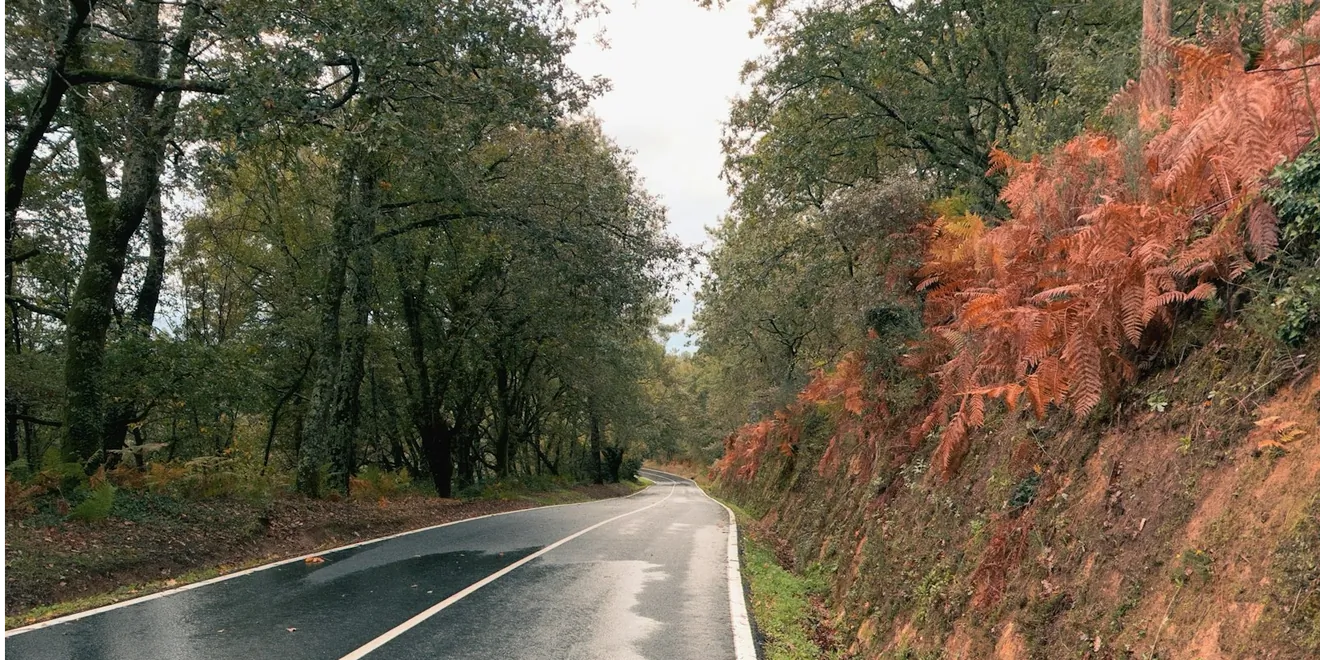
September changes driving conditions faster than most people notice. Days get shorter, the drive home happens in twilight, wet leaves cover the road and morning fog appears. At the same time wild animals become more active and step onto the road more often. For a car this means a real risk, and now is the right moment to understand what your policy actually does in these situations.
Start with the basic split, which matters more in autumn than at any other time. OCTA covers the losses you cause to others. Damage to your own car is covered by voluntary KASKO. Typical autumn incidents are mostly the ones where your own car suffers and there is no other party at fault.
Collisions with animals and other typical autumn risks
Hitting a deer, an elk or a wild boar is one of the most characteristic autumn incidents, and it tends to be expensive: a damaged front end, radiator, airbags. There is no other party to claim against, so OCTA does not help. The loss is covered by KASKO insurance if that risk is included in the policy. Before the season, check whether your policy covers collision with an animal and what deductible applies, because this is the clause that varies most between insurers.
The second typical autumn case is a tree or branch falling onto the car. In strong wind this happens on forest roads and in city car parks alike. Again the damage is to your own car and falls under the natural forces section of KASKO. If the tree grows on managed property and had not been maintained, liability may rest with the owner, but proving that is difficult in practice, and KASKO is by far the faster route.
The third group is minor damage, which simply becomes more frequent in autumn because it is dark and slippery. A scraped bumper in the yard, a kerbed wheel, a bump in a car park. Here the deductible decides everything. If it is high, part of the repair stays with you, so before the season it is worth recalling your deductible and deciding which kinds of damage are worth claiming at all.
The fourth risk is the trickiest: leaving the road on wet leaves or the first frost. In autumn the surface can be slippery even when the air temperature is still above zero, especially on bridges and shaded sections. In these cases there is no other party at fault, and once again everything depends on your KASKO cover.
A fifth autumn risk concerns parking rather than driving. Prolonged rain and blocked drains flood underground car parks in cities, and water damage to a car is among the most expensive kinds, because the electronics suffer. If your car spends the night underground or in a low lying spot, check whether the policy covers flood damage.
One more detail worth remembering in autumn: theft and vandalism risk rises as well, because darkness falls earlier and car parks are less overlooked. KASKO policies often set extra conditions for theft cover regarding alarms or where the car is parked, so reread which conditions apply to your policy.
What to check in the policy and how to act after an incident
Before the season, take out the policy and check four things. First, the list of covered risks: does it include collision with an animal, natural forces and falling objects. Second, the deductible for each risk, because it can differ depending on the type of event. Third, the policy expiry date, which is forgotten surprisingly often when seasons change. If your OCTA is also coming up for renewal, it is convenient to review both at once using the OCTA calculator. Fourth, roadside assistance cover, because being towed from a rural road is far more likely in autumn than in summer.
If you have no KASKO or it seems expensive, consider the middle options. OCTA plus adds extra protection to the mandatory policy for a relatively small additional premium, and it can be a sensible solution for an older car where full KASKO no longer pays off.
If an incident does happen, the order of actions is simple. First make yourself safe: switch on the hazard lights, put on a reflective vest and place the warning triangle, because in autumn twilight you are far less visible than in summer. Photograph the car, the conditions and the location from several angles. If you have hit an animal, the incident must be recorded according to the policy terms, so call your insurer and find out whether the police need to be called in your specific case. Do not leave the scene before that is clear, because an unrecorded incident can become grounds for refusing a claim.
One more thing that costs little in autumn and gives a lot: maintenance. Check the headlights and their alignment, replace worn wiper blades, top up with winter screen wash and check the tyre tread. Meeting the tyre change deadline is mandatory, but do not leave it to the last moment, because the first frost in Latvia often arrives earlier than expected.
The autumn season is predictable, and a policy can be prepared in advance. Agento.lv lets you compare KASKO offers from several insurers, check the covered risks and deductibles and choose an option that matches the value of your car. Calculate your price and find out whether your current cover is enough for autumn.