
 My Agento


Why a Leased Car Needs KASKO Insurance in Latvia
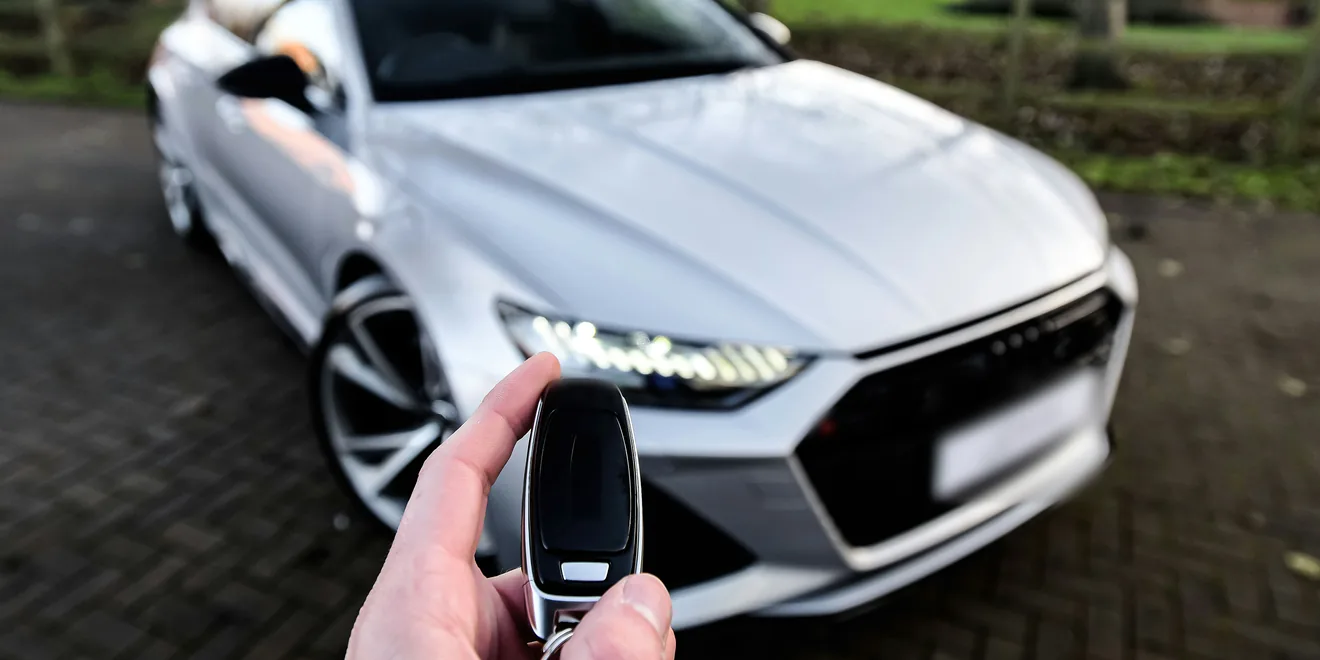
A large share of new and used cars in Latvia is bought on lease. The dealership offers financing, the monthly payment looks manageable, and the deal seems simple. Then one condition comes up that surprises many buyers: the car must carry KASKO insurance for the entire lease term.
Car leasing and KASKO insurance are closely connected, and it makes sense to understand that before signing rather than after. Unlike OCTA, which in Latvia is compulsory for every vehicle used in road traffic, KASKO is voluntary in itself. With a lease, however, it becomes mandatory in a different way, as a condition of the contract.
Why the Leasing Company Requires KASKO
The core reason is ownership. During the lease term the owner of the car is normally the leasing company, while the client is the holder named in the registration certificate and the user of the car. That means the financial risk of the car being written off or stolen sits not only with the driver, but also with the company that financed the purchase.
From the lessor's point of view the car is collateral for the financing it has provided. If the vehicle is stolen or completely destroyed, the collateral disappears but the debt remains. For that reason the contract includes a requirement for KASKO insurance, which transfers this risk to the insurer.
In practice this creates several differences compared with a car the driver owns outright:
- the policy must be maintained without interruption for the whole lease term
- in a total loss or theft the payee, or beneficiary, is usually the leasing company
- the contract may set a maximum permitted deductible
- the scope of cover must meet the minimum requirements in the contract
- the lessor must be informed if the policy is changed or cancelled
- taking the car outside a defined territory may require permission
Who Receives the Payout
The beneficiary question causes the most confusion. For smaller damage, when the car is repaired, the payout usually goes to the repair shop and the process feels familiar to the client. If the car is declared beyond repair or stolen, however, the insurer pays the leasing company in order to settle the outstanding balance. Only if the payout exceeds the debt does the remainder reach the client.
This is where a situation arises that few people think about in advance. A car loses value over time, while the lease debt reduces at its own pace. Early in the lease term a gap can open up between the market value of the car and the amount still owed, and in a total loss that gap may be left for the client to cover. Some insurers and leasing companies offer separate solutions for such a gap, and it is worth asking about this while the contract is still being prepared.
Where to Buy the Policy and What to Check in the Contract
The dealership or the lessor often offers a policy from a partner insurer, which is convenient because everything is handled in one place. It is not an obligation, though. A client can usually buy KASKO from any insurer or through a broker, as long as the policy meets the requirements of the contract. When offers are compared side by side, the differences in both price and terms can be noticeable.
The sensible starting point is reading the contract. It normally states what cover is required, whether there are limits on the deductible, and in which territory the policy must be valid. If those conditions are not met, the insurer may still pay out, but the lessor can treat it as a breach of contract.
Before choosing a policy it is worth clarifying:
- what minimum cover the lease contract requires
- how large a deductible is permitted and how it affects the premium
- whether theft, fire, natural events and vandalism are included
- how the value of the car is determined when a claim is calculated
- whether cover applies in the countries you plan to drive to
- whether roadside assistance and a replacement vehicle are included
Deductible, Price and OCTA
The deductible is where mistakes happen most often. A higher deductible lowers the premium, which looks attractive on paper. It also means that in every incident you pay part of the cost yourself. If the lease payment already takes a meaningful share of the monthly budget, an excessive deductible can lead to repairs being postponed. How a deductible works in practice is explained in our article on the KASKO deductible.
Pricing is shaped by factors you cannot change and factors you can. The value of the car, its age, the engine type, the driver's experience and the place of registration are generally fixed. The scope of cover, the deductible, the payment schedule and any additional risks are a choice. That is why two policies for the same car can differ in both price and content.
A leased car also needs OCTA, and here there is a detail worth knowing. Section 13(2) of the Latvian OCTA law states that when the OCTA premium is set for a leased vehicle, the holder named in the registration certificate is treated as the owner. Your own insurance history as the lessee therefore affects the price, as we explained in our article on bonus-malus and the OCTA insurance history. You can compare OCTA offers in the OCTA calculator.
When the Lease Ends
The end of the lease term deserves separate attention. Once the obligations are settled and ownership passes to the client, the situation changes. KASKO is no longer a contractual requirement and becomes a free choice again. This is a good moment to review the policy, because the beneficiary needs to be updated and the scope of cover may no longer match the actual need.
Once the lease has ended, if the car is used only seasonally, short-term KASKO can be useful in some cases. During the lease this is usually not possible, because the contract requires uninterrupted cover.
In a leasing deal insurance is not a formality but part of the total cost, and it is worth calculating alongside the monthly payment. An insurance broker can compare offers from several insurers, check that a policy meets the requirements of your specific lease contract, and help you settle on a sensible deductible. Get in touch for a consultation and an adviser will contact you to find the most suitable solution.