
 My Agento


House Fire: What to Check in Your Home Policy Before Anything Happens
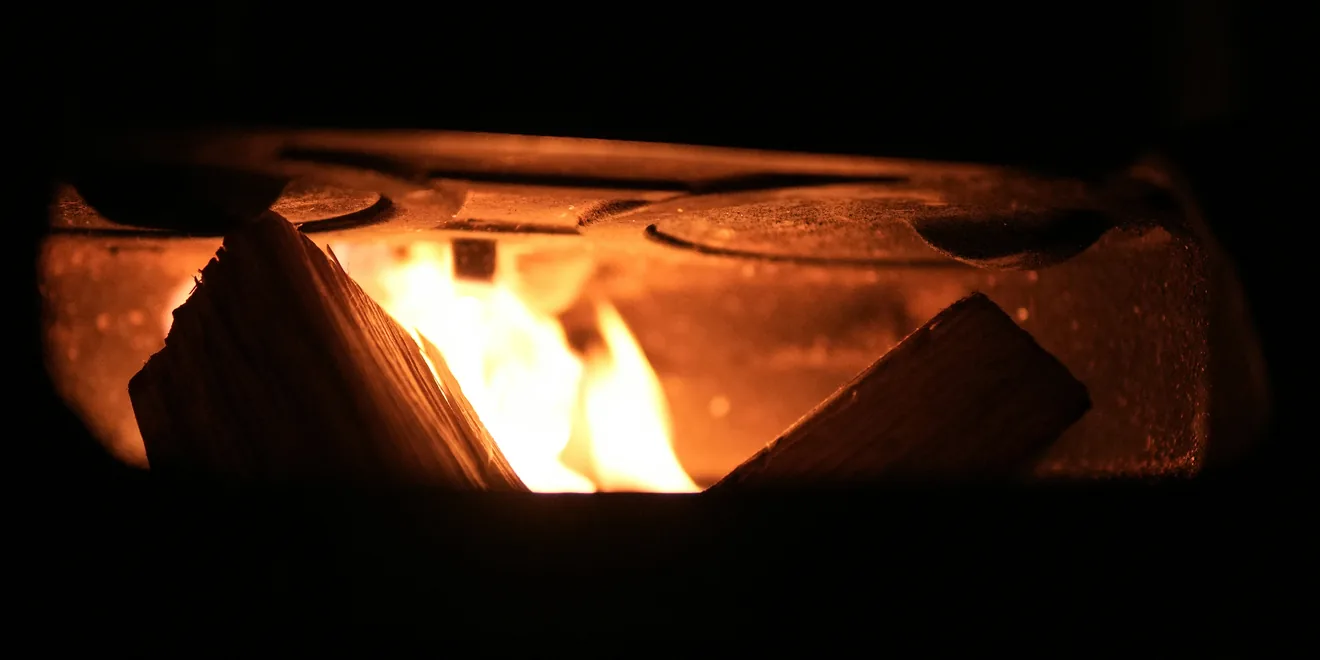
With the first cold nights, stoves, fireplaces and sauna stoves are lit regularly again, and with the heating season the State Fire and Rescue Service (VUGD) receives more calls to fires caused by uncleaned flues and by heating appliances that are damaged or used incorrectly.
VUGD explains the mechanism: when solid fuel burns, deposits of soot and tar build up on the inner surface of the chimney. Left uncleaned, they reduce the efficiency of the appliance, and in the worst case they ignite. A masonry chimney can then crack through its whole thickness, including the outer shell, letting hot flue gases and flames reach combustible wall, ceiling and roof structures. What the fire safety rules actually require, including chimney cleaning deadlines, smoke detectors and the use of heaters, we covered in our article on the heating season, chimneys and heaters.
This time we look at the other side, the policy itself. Home insurance normally covers fire damage, and fire is one of the core risks in a policy. How large the payout will be, however, depends on the sum insured, the covers you chose and what you do after a fire. Many people only learn this during a claim, so below we set out what to check now.
Gas and Ventilation in Apartment Buildings
One rule that often goes unnoticed concerns ventilation. In all buildings the regulations prohibit using a natural ventilation duct or a mechanical ventilation system to carry flue gases from a heating appliance. In an apartment building it has also been prohibited since 2019 to connect mechanical ventilation equipment to a natural ventilation duct in a room with a gas heating appliance, a gas cooker or a gas water heater, unless there is ventilation that ensures a constant exchange of air and removes leaked gas from the building. This is point 89.10 of the Fire Safety Regulations currently in force (Cabinet of Ministers Regulation No. 238, in force until January 2, 2027). In practice, connecting a kitchen extractor hood with a fan to the ventilation shaft in a room with a gas cooker can be a breach of the rules rather than a renovation detail.
Sum Insured: Will It Cover Rebuilding?
The first thing worth checking in a policy is the sum insured. If it is lower than the value of the insured property, Section 46 of the Latvian Insurance Contract Law calls this underinsurance: the insurer pays out in the same proportion as the sum insured bears to the value of the property, unless the contract provides otherwise. Put simply, if a house is insured for half of its value, even a partial fire loss may be paid only by half.
That is why the sum is worth comparing with what rebuilding the home would cost today, not with the price you paid for it or with a figure entered in the policy several years ago. Insurers' terms often soften the rule, for example by not applying underinsurance if the shortfall stays within a set percentage, or where the cover has an indemnity limit. Look for the underinsurance clause in your own terms.
Contents, Smoke and Temporary Accommodation
A fire rarely damages only the structure. Before winter it is worth checking the other parts of the policy as well:
- whether contents are insured, not only the building or the apartment's structure
- whether soot and smoke damage is included even without an open flame
- whether damage caused while the fire is put out, for example by water, is covered
- how temporary accommodation is handled if the home becomes uninhabitable
- whether civil liability towards neighbours is included
- how large the deductible is and how it applies to the fire risk
These are exactly the points where offers tend to differ, so they make the easiest basis for comparing policies, rather than price alone.
Neighbours and Civil Liability
Civil liability is the point to check most carefully in an apartment building or a terraced house. A fire rarely stays within the boundaries of one dwelling, and smoke damage can reach a neighbouring property even where the flames do not. If a fire started through your fault, Section 1635 of the Latvian Civil Law gives the injured party the right to claim compensation from you.
This is what the civil liability section of a policy is for, and it is usually available both in apartment insurance and in house insurance. Its limit depends on the option you choose, so in an apartment building it makes sense to pick a limit that reflects the value of your neighbours' property as well as your own.
What to Do After a Fire
Safety comes first: call 112 and do not try to rescue belongings from a burning room. Once the danger is over, Section 27 of the Insurance Contract Law requires you to notify the insurer without delay, take reasonable steps to limit the loss and follow the insurer's instructions. Reasonable costs of urgent measures, such as temporarily covering a damaged roof or windows, are paid by the insurer even if the measures did not succeed (Section 30).
- photograph and film the damage before you start cleaning up or repairing
- do not throw away damaged belongings until the insurer has agreed how they will be inspected
- note the time of the VUGD call-out, as the insurer may ask for information about the fire
- keep receipts for temporary accommodation and urgent work
If these duties are not fulfilled intentionally or through gross negligence, the insurer may refuse the payout, and in a case of slight negligence it may reduce it by no more than 50 percent (Section 29). If a payout is reduced or refused, the insurer has to prove the grounds for it (Section 31(5) of the Insurance Contract Law).
Health Is Not Part of a Home Policy
One thing a home policy does not cover is harm to a person's health. Insurance restores the property, while treatment and time off work are a separate question that accident insurance is designed for. In houses heated with wood that distinction is worth being aware of.
The heating season is a good time for both steps at once: the chimney and the appliance are kept in order, and the policy is reviewed while nothing has happened yet. An insurance broker can compare terms from several insurers and check whether the sum insured matches realistic rebuilding costs. Get in touch for a consultation and an adviser will review your particular home with you.