
 My Agento


Cyber Insurance for Businesses: Protection Against Data Breaches
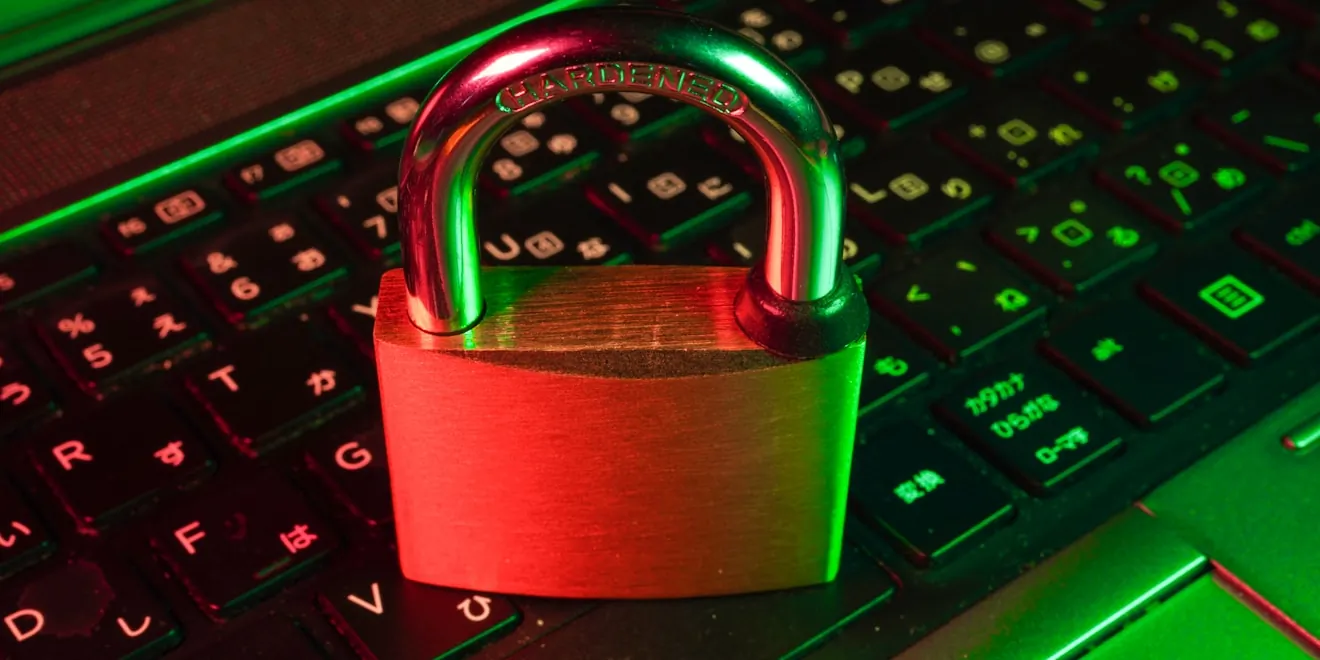
Just a few years ago, cyberattacks seemed like a problem that concerned only banks and large corporations. Today the picture has changed. Data breaches, ransomware and fraudulent emails now affect small and medium businesses in Latvia too, and often it's these companies that are the most exposed, because they have fewer resources to spend on security.
A single incident can halt a company's work for several days, damage its reputation and create significant costs. Cyber insurance is a relatively new solution that helps a business deal with the consequences of such a situation. To understand whether your company needs it, it helps to first know what it protects against.
Which risks does cyber insurance cover
Cyber insurance is designed for losses that arise after a digital incident. It differs from ordinary property or liability insurance in that it focuses specifically on risks tied to data, systems and online activity.
Typical risks businesses face in the digital environment:
- ransomware that blocks access to systems and demands a payment
- leaks of customer or employee personal data
- fraudulent emails and payments redirected to the wrong accounts
- system downtime that stops the daily work of the company
- liability towards clients when data entrusted to you is exposed
Depending on the policy, cyber insurance can cover both direct and indirect losses. It often complements business civil liability insurance, because a data breach can lead to claims from third parties.
What a cyber insurance policy usually includes:
- data recovery and system restoration costs
- incident investigation and the help of IT specialists
- legal support and communication with affected clients
- liability for losses suffered by third parties
- costs linked to meeting data protection regulation (GDPR) requirements
Companies whose work is based on professional services should also consider professional civil liability insurance, because a mistake in handling data can lead to claims from clients.
How to choose cyber insurance
The first step is to understand what data and systems the company uses every day. A business that handles a lot of customer personal data or processes online payments faces a higher risk than one that uses digital tools only minimally. The greater the dependence on IT systems, the more important protection becomes.
When choosing a policy, it's worth paying attention to several aspects:
- which types of incident are included and which are excluded
- how high the cover limit is and whether it matches possible losses
- whether immediate assistance is available in case of an incident
- whether the policy also covers losses caused by system downtime
Cyber insurance works well alongside other types of cover. For example, if a cyber incident also damages physical equipment, equipment insurance is useful, covering the repair or replacement of hardware. Together these solutions form more complete protection.
Still, insurance doesn't replace basic security measures. Regular data backups, staff training and updated systems remain the first line of defence. Cyber insurance is what helps when prevention isn't enough.
If you aren't sure which cover matches your company's risk profile, an insurance broker can assess the situation, compare offers and help you choose the most suitable solution. Get in touch for a consultation today and protect your business from digital risks.