
 My Agento


Burglary at home: what insurance covers and what the conditions are
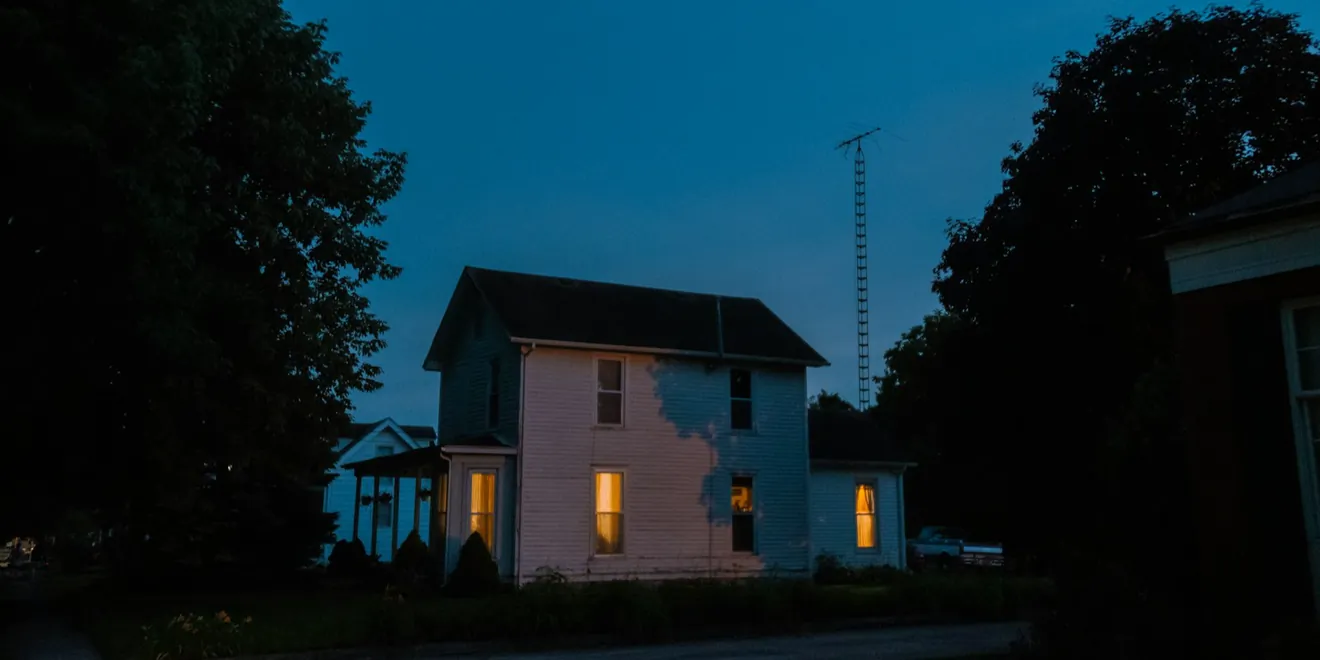
In September darkness falls noticeably earlier, and homes stand empty from the afternoon onwards on working days. Summer houses are left unattended until spring. This is the time of year when the risk of a break in rises, and it is also the moment to understand what your home policy actually does after a burglary.
First, the most important point: in most policies burglary cover is neither automatic nor unconditional. It is tied to specific security requirements, and in practice those requirements decide whether you receive the full payout, a reduced one, or none at all.
What the policy covers and which security conditions it sets
Standard apartment insurance usually covers both the stolen contents and the damage caused during the break in: a forced door, a broken lock, a smashed window. That detail matters, because the damage from breaking in sometimes costs more than the items taken.
The key condition concerns the method of entry. Policies generally cover burglary involving forced entry, meaning a situation where the intruder overcame a physical barrier. If the door was left unlocked or a window open, the insurer can refuse or reduce the payout, because no barrier was overcome. It sounds harsh, but the logic is simple: insurance covers risk, not carelessness.
The second group of requirements concerns the property itself. Some policies, especially those with higher sums insured, specify requirements for the class of doors and locks, window security on lower floors or the presence of an alarm. If such requirements exist and have not been met, the payout can be reduced. Reread your policy and make sure your home matches what is written there.
The third point is occupancy. Many policies set conditions for how long a home may stand unoccupied while keeping full burglary cover. For summer houses and rural properties this clause matters most, because in winter they usually stand empty for months. If a property will be unoccupied for a long period, find out whether the policy still applies and on what terms. Check the same before a longer holiday.
The fourth thing to check is limits for particular categories of belongings. Jewellery, cash, electronics and collectibles often have separate, lower limits than the contents as a whole. If you keep something valuable at home, check that specific limit, because otherwise the payout may turn out to be far smaller than the loss.
A fifth detail concerns the deductible. In a burglary it works as it does elsewhere: the amount stated in the policy is subtracted from the calculated payout. If several inexpensive items went missing, the total loss may end up close to the deductible or even below it, and claiming then loses its point. Better to know that in advance than to discover it during the claims process.
Check separately whether the policy covers belongings outside the home itself. A bicycle in the stairwell, a pram in the corridor or items in a basement store often fall into a different cover category from the contents of the flat, and in some policies they are not covered at all.
How to prove the loss and what to do now
After a burglary the biggest practical difficulty is not the policy terms but proof. You will need to show what exactly was taken and what it was worth. People who have receipts or photographs receive their payout faster and more fully than those relying on memory.
One evening spent on this now saves a great deal later. Walk through your home and photograph every room, taking separate shots of the more valuable items. Store receipts for larger appliances and furniture in the cloud rather than in a drawer, because the drawer can disappear along with everything else. Note the serial numbers of electronics, as they help both the police and the claims process.
If a burglary does happen, the order of actions is this. Report it to the police immediately, because a police record is almost always a precondition for a payout. Do not disturb the scene before the police have examined it. Then notify the insurer within the deadline set in the policy and prepare a list of stolen items with approximate values and whatever evidence you have.
Simple measures help most in prevention. In autumn use timer switches for lighting so the house does not look empty. Secure ladders and tools in the yard that could give access to windows. Arrange for a neighbour to keep an eye on the house and collect the post. If you go away for a longer period, do not announce it on social media while you are gone.
Owners of private houses should remember that under house insurance burglary cover often extends to outbuildings and their contents, but with separate conditions. Garden machinery, tools and bicycles in a shed may be covered differently from belongings in the living areas. For bicycles, which are stolen often, there is also separate bicycle insurance that works regardless of where the bicycle is.
The dark season is predictable, so the policy is worth reviewing now rather than after an incident. The specialists at Agento.lv will help you check whether your policy includes burglary cover, which security conditions it sets and whether the limits for valuables are sufficient. Get a free consultation and an advisor will contact you within one working day.